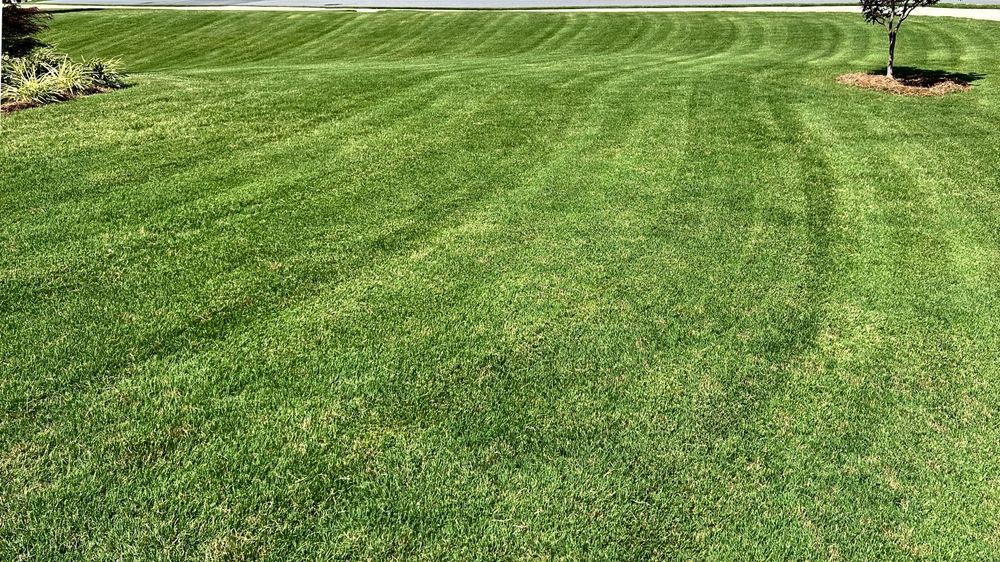
Why Is My Grass Turning Brown? Common Causes in San Angelo, Texas
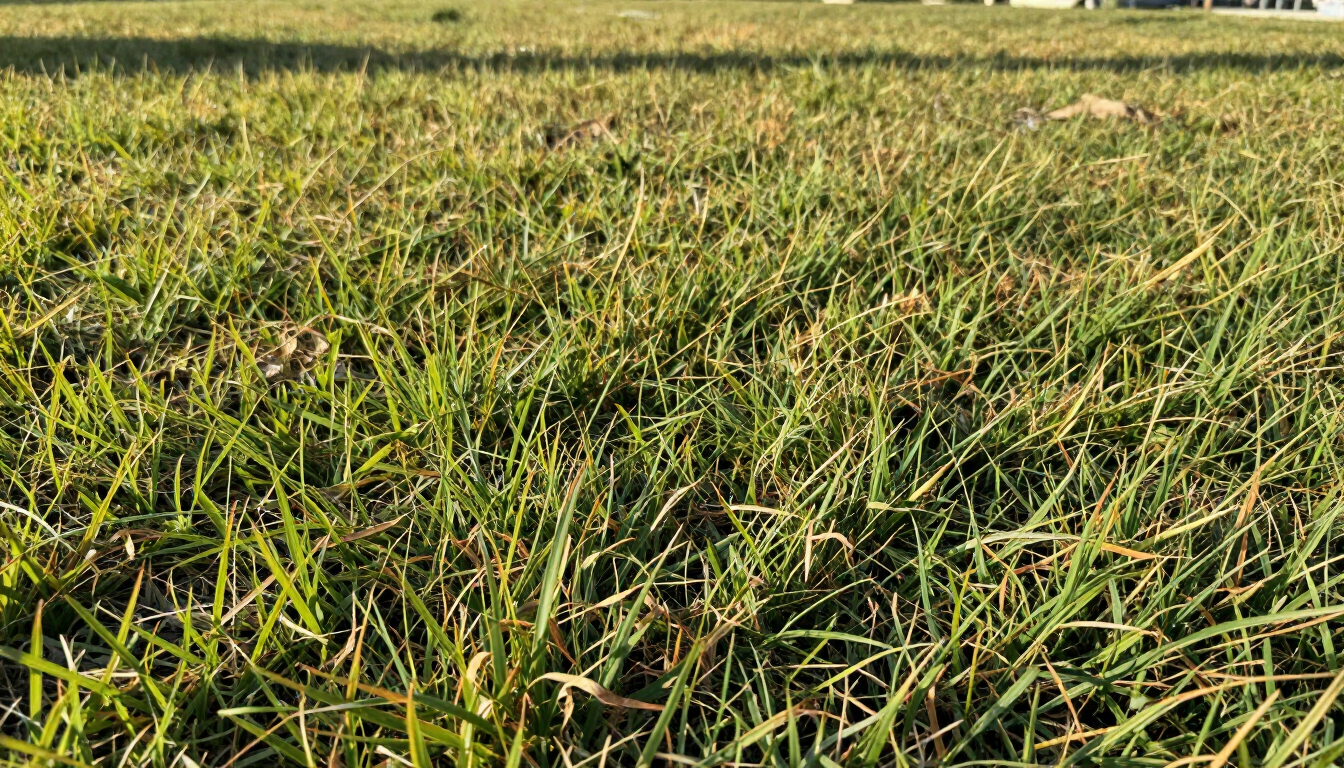
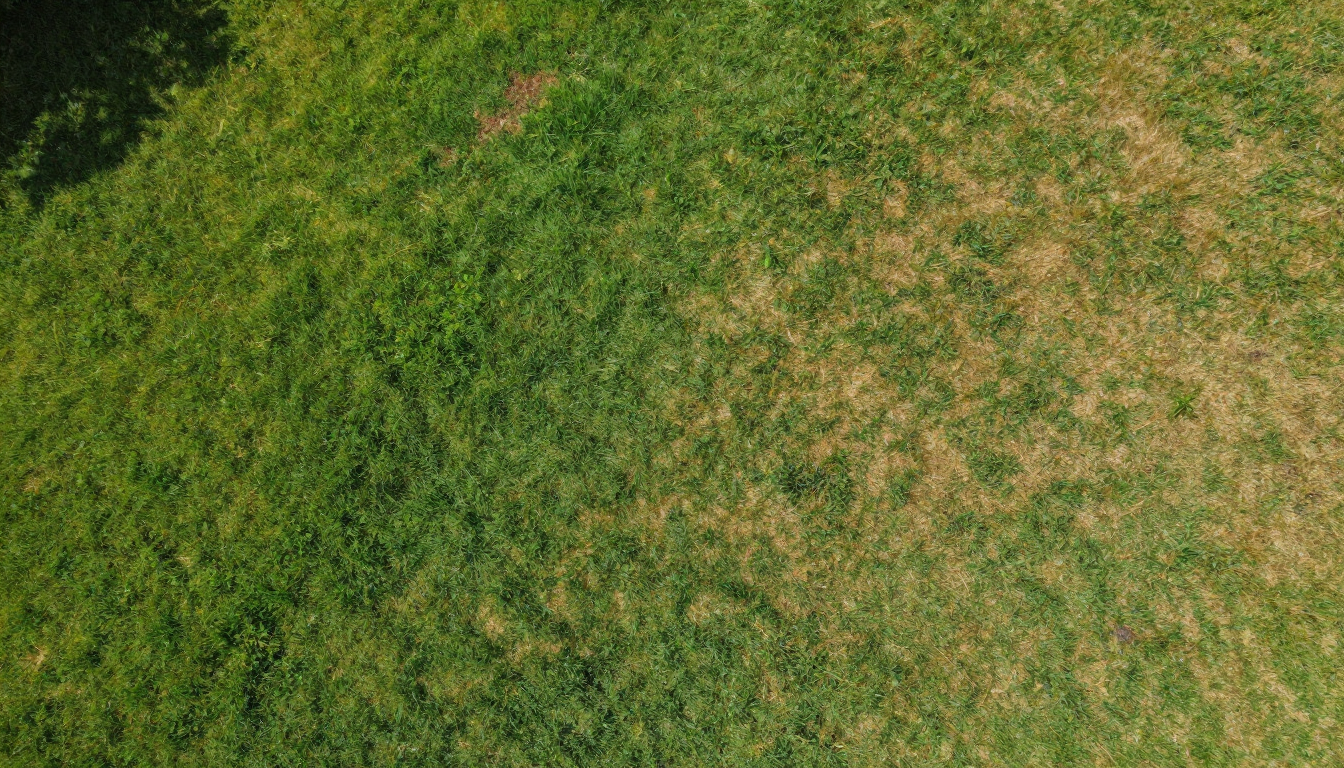
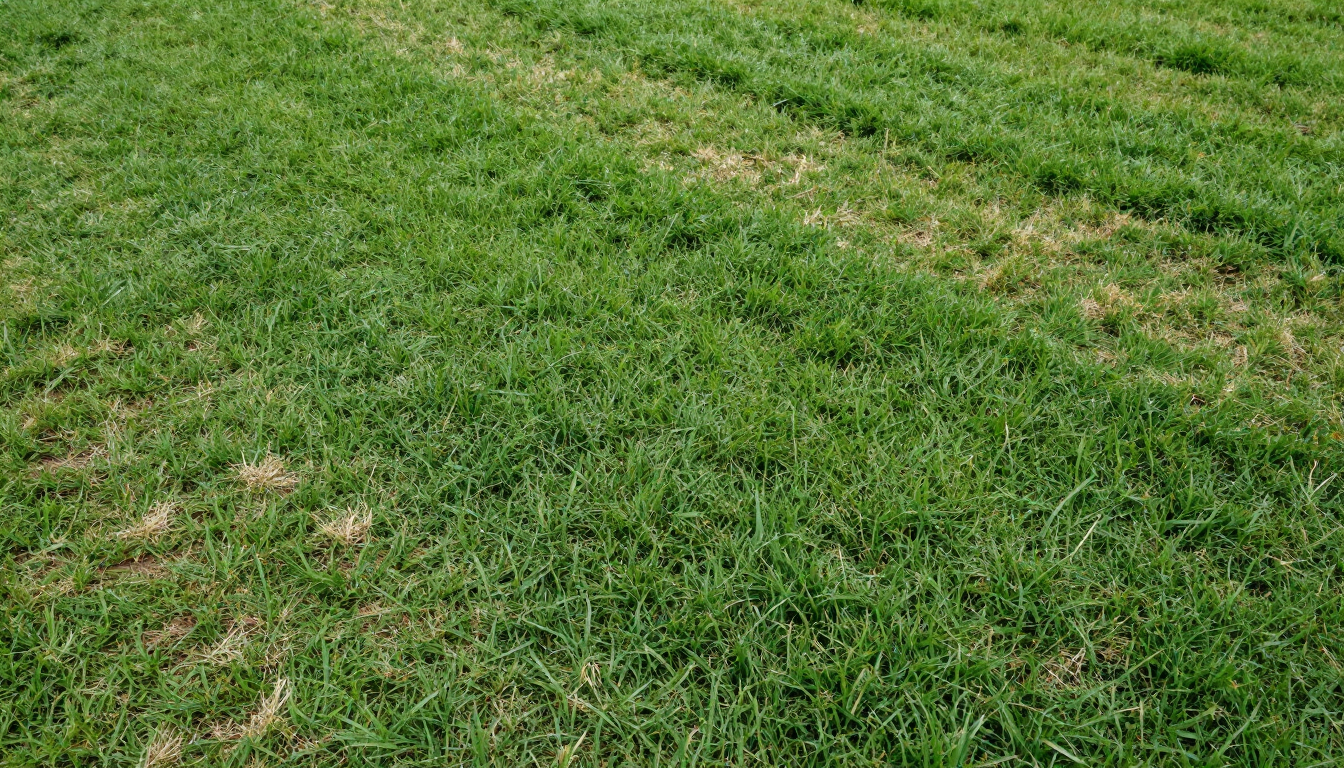
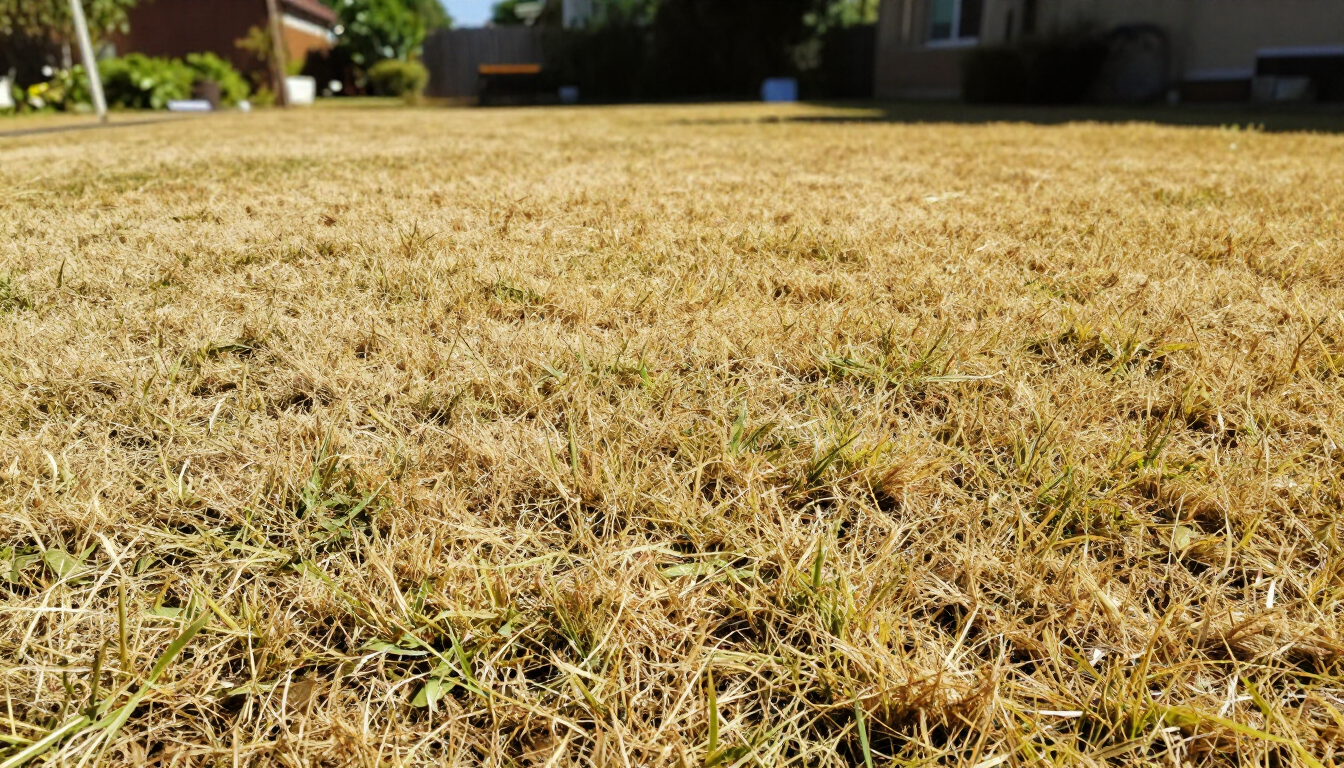
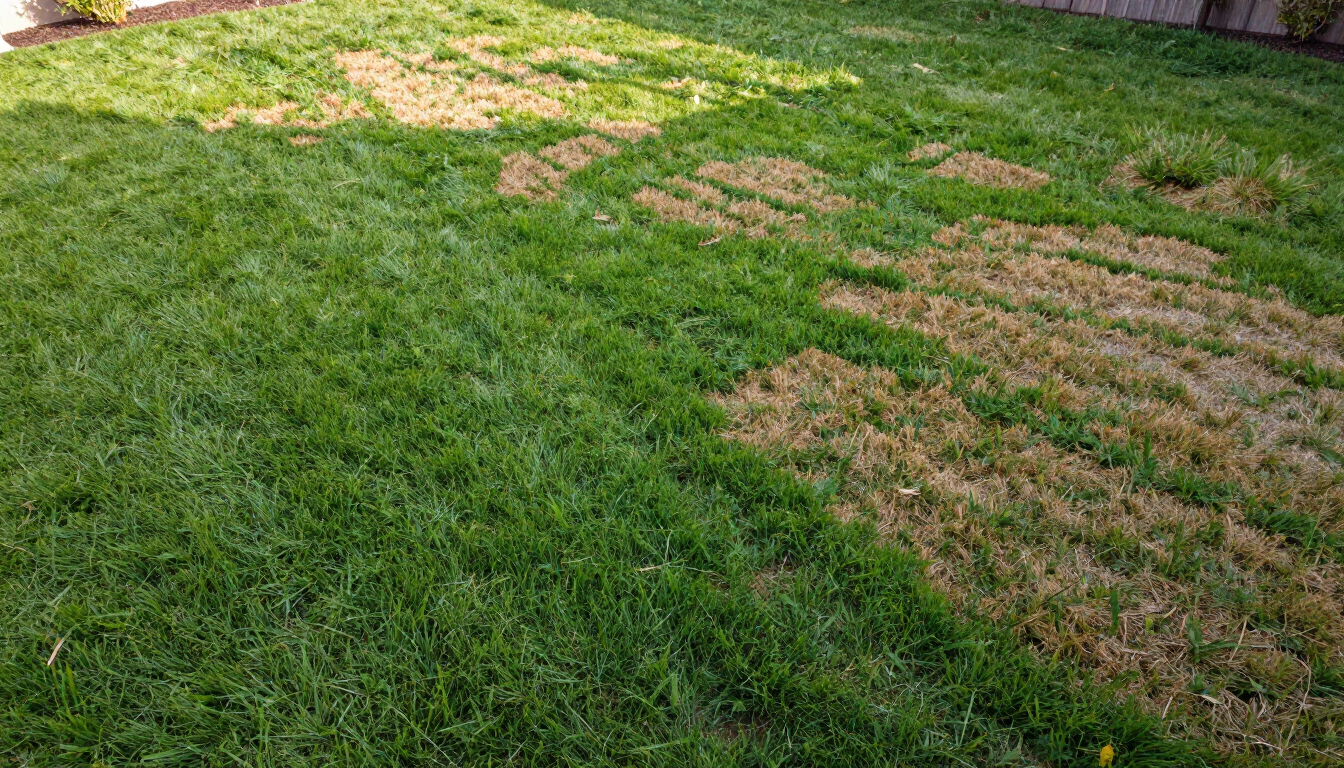
If you've noticed brown patches appearing in your lawn, you're not alone. One of the most common questions homeowners ask is, "Why is my grass turning brown?" In San Angelo and throughout West Texas, several factors can cause grass to lose its green color, especially during periods of extreme heat and drought.
The good news is that brown grass doesn't always mean dead grass. In many cases, the problem can be corrected once the cause is identified.
1. Drought Stress

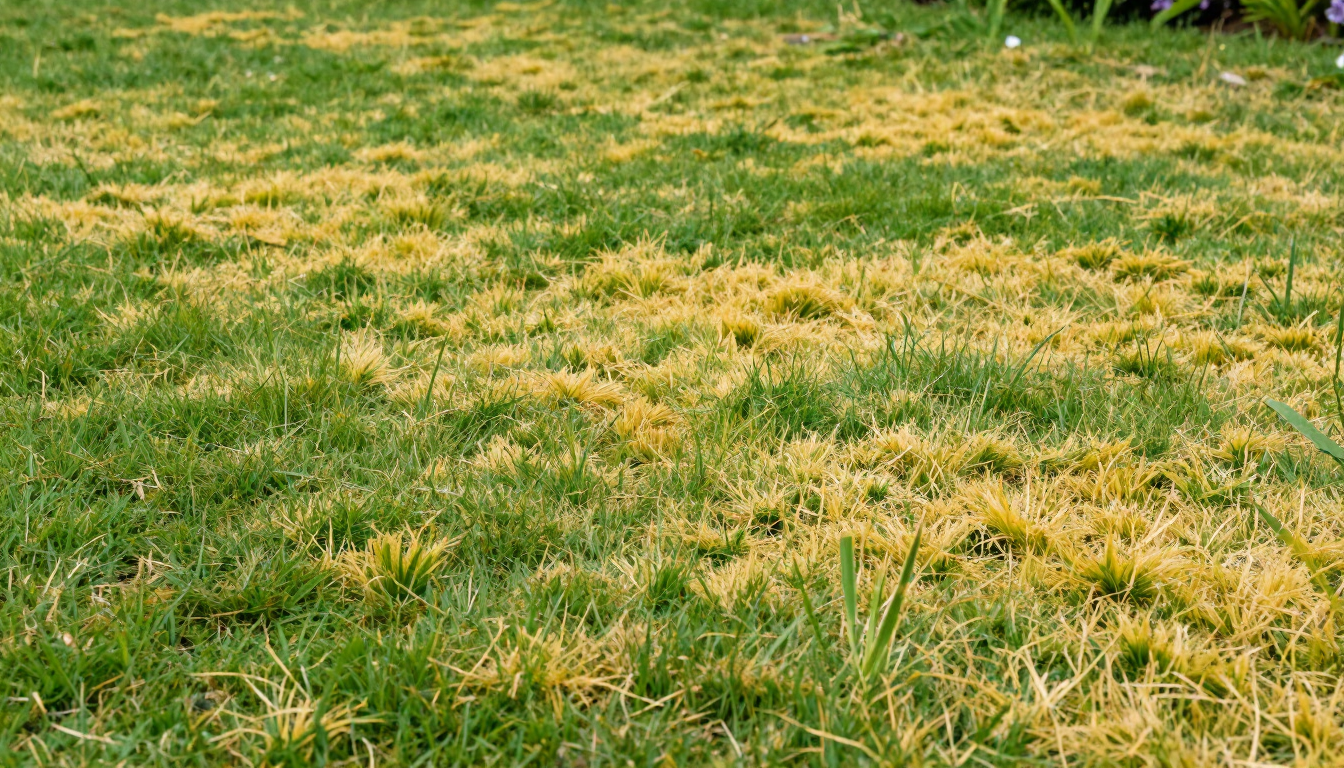
Drought stress is one of the most common reasons lawns turn brown in West Texas.
When temperatures climb into the 90s and 100s, grass can struggle to get enough moisture. Bermuda grass is drought-tolerant, but even Bermuda will show signs of stress when water becomes limited.
Signs of Drought Stress
- Brown or tan patches
- Footprints remain visible after walking across the lawn
- Grass blades curl or fold
- Soil feels dry several inches below the surface
Solution
Water deeply and less frequently to encourage deep root growth. Most Bermuda lawns need approximately 1 to 1.5 inches of water per week, including rainfall.
2. Improper Watering

Sometimes brown grass is caused by too little water, but it can also be caused by too much water.
Signs of Underwatering
- Dry soil
- Brittle grass
- Brown patches during hot weather
Signs of Overwatering
- Mushy soil
- Yellowing before browning
- Fungus growth
- Weed outbreaks
A properly watered lawn should have moist soil several inches below the surface without remaining constantly saturated.
3. Scalping the Lawn

Scalping occurs when too much grass is removed during mowing.
This often happens when:
- The lawn becomes overgrown
- The mower deck is set too low
- Uneven ground causes the mower to cut into the soil
When grass is cut too short, it loses its ability to produce energy efficiently and may turn brown.
Solution
Maintain proper mowing heights and avoid removing more than one-third of the grass blade during a single mowing.
4. Heat Stress

Even with adequate water, extreme summer temperatures can place significant stress on a lawn.
Common signs include:
- Brown tips on grass blades
- Thinning turf
- Discoloration in areas exposed to full afternoon sun
Heat stress is especially common during July and August in San Angelo.
5. Poor Irrigation Coverage

Many brown patches occur simply because irrigation systems are not distributing water evenly.
Common issues include:
- Broken sprinkler heads
- Misaligned spray patterns
- Clogged nozzles
- Low water pressure
A lawn may appear healthy in some areas while turning brown in others due to uneven watering.
6. Insect Damage

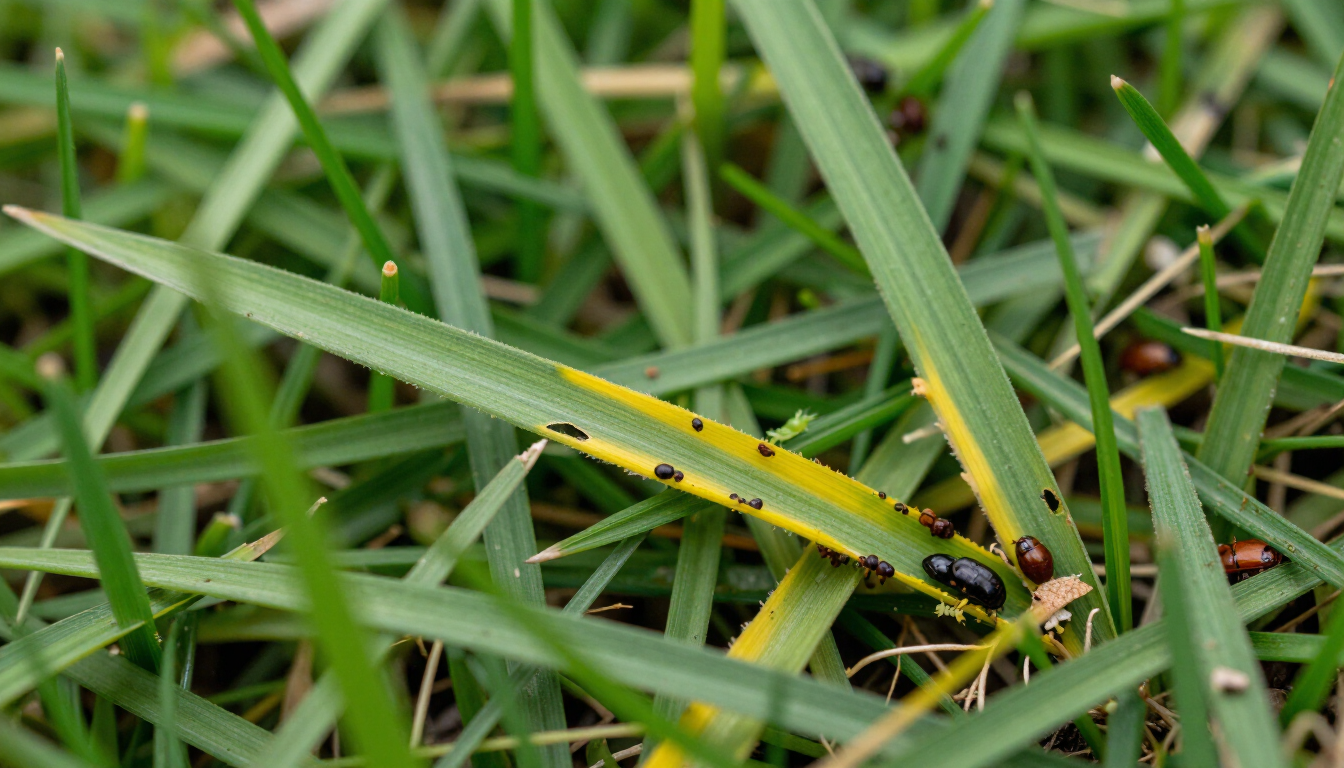
Certain insects can damage grass roots and cause brown patches to develop.
Potential lawn pests include:
- Grubs
- Chinch bugs
- Armyworms
Insect damage often appears suddenly and may continue spreading if left untreated.
Signs of Insect Problems
- Grass pulls up easily
- Irregular brown patches
- Increased bird activity
- Visible insects in affected areas
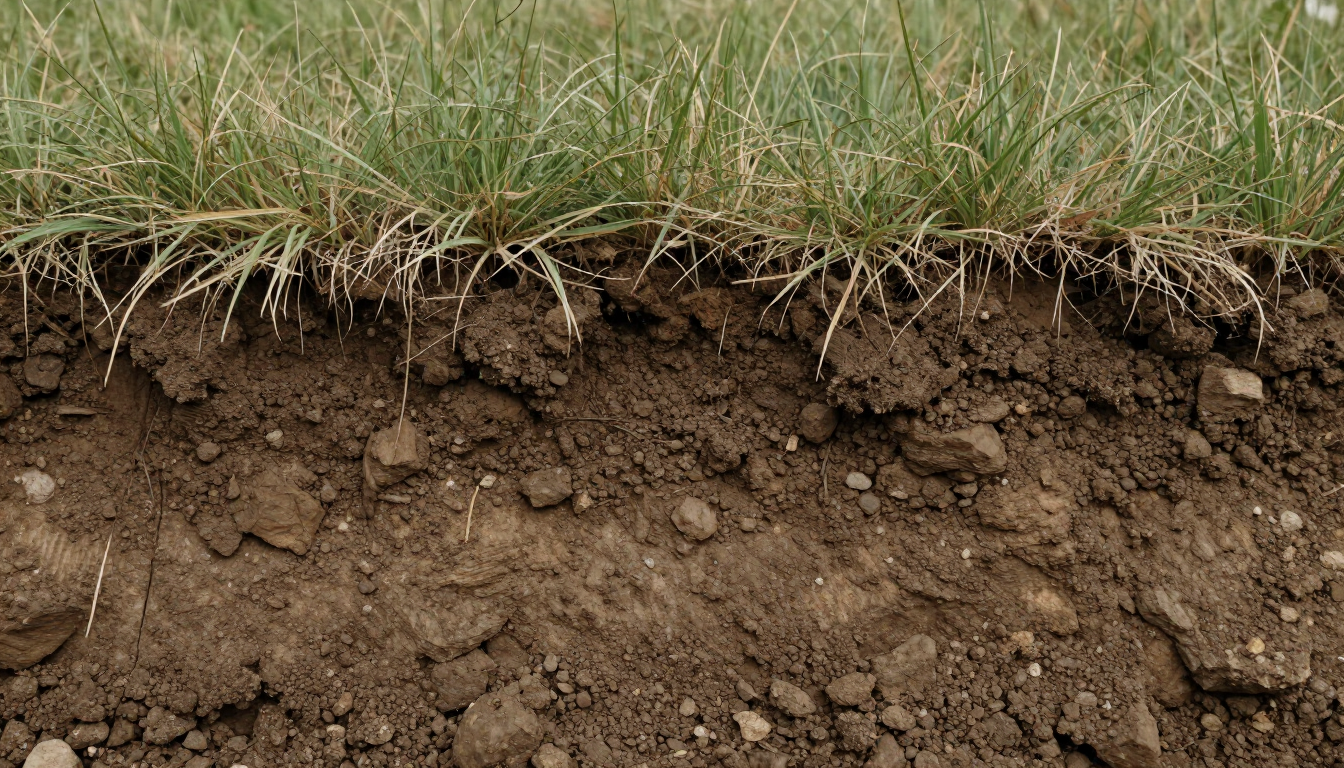
7. Soil Compaction

Heavy foot traffic and equipment can compact soil over time.
Compacted soil prevents:
- Water penetration
- Oxygen movement
- Root growth
The result is often thin, stressed grass that struggles to stay green.
Solution
Aerating compacted areas can improve root health and increase water absorption.
8. Fertilizer Problems

Both too much and too little fertilizer can cause discoloration.
Under-Fertilized Lawns
- Pale green appearance
- Slow growth
- Thin turf
Over-Fertilized Lawns
- Burned grass blades
- Brown streaks
- Damaged root systems
A balanced fertilization program helps maintain healthy color and growth throughout the
growing season.
Is Brown Grass Dead?
Not necessarily.
Bermuda grass is extremely resilient and can often recover after periods of drought, heat stress,
or temporary damage.
To check:
- Pull gently on the grass.
- Look near the soil surface.
- Search for green shoots or runners.
If green tissue is present, recovery is often possible with proper care.
How to Keep Your Lawn Green
The best defense against brown grass is a consistent lawn care program that includes:
- Proper mowing height
- Deep watering practices
- Seasonal fertilization
- Weed control
- Aeration when needed
- Irrigation system maintenance
Healthy lawns are far more resistant to drought, insects, disease, and heat stress.
Need Help Diagnosing a Brown Lawn?
If your lawn is turning brown and you're not sure why, professional evaluation can save time, money, and frustration.
At Schwartz Clips Landscaping, we help homeowners throughout San Angelo identify lawn problems and develop practical solutions that work in West Texas conditions. Whether you're dealing with drought stress, irrigation issues, weeds, or lawn damage, we're here to help.
Contact Schwartz Clips Landscaping today for a free estimate and professional lawn care services in San Angelo, Texas.