How Often Should You Water Your Lawn in Texas?
One of the most common questions homeowners ask is, "How often should I water my lawn?" The answer depends on several factors, including grass type, soil conditions, weather, and time of year. In San Angelo and throughout West Texas, watering correctly is essential for maintaining a healthy lawn while avoiding unnecessary water waste.
Many homeowners make the mistake of watering too often. Frequent shallow watering encourages weak root systems and can make your lawn more susceptible to drought stress, disease, and weeds.
The Golden Rule: Water Deeply and Infrequently
The best lawns are typically watered deeply but less often. Deep watering encourages roots to grow deeper into the soil, helping grass survive the hot Texas summers.
Most established Bermuda lawns need approximately 1 to 1.5 inches of water per week, including rainfall.

How Often Should Bermuda Grass Be Watered?
Bermuda grass is the most common lawn grass in San Angelo because it tolerates heat and
drought extremely well.
Spring
During spring, Bermuda grass begins actively growing.
Recommended watering:
- 1 to 2 times per week
- Adjust based on rainfall
Summer
During the peak summer months, temperatures frequently exceed 90 degrees in West Texas.
Recommended watering:
- 2 to 3 times per week
- Apply enough water to reach 1 to 1.5 inches weekly
Fall
As temperatures begin to cool, Bermuda grass requires less water.
Recommended watering:
- 1 time per week
- Reduce irrigation as growth slows
Winter
Dormant Bermuda grass requires very little supplemental irrigation.
Recommended watering:
- Every 2 to 4 weeks if conditions are extremely dry

The Best Time of Day to Water
The ideal time to water your lawn is early in the morning.
Best watering window:
- Between 4:00 AM and 9:00 AM
Watering during this time allows moisture to soak into the soil before the heat of the day causes
excessive evaporation.
Avoid:
- Midday watering
- Evening watering when possible
Water sitting on grass overnight can increase the risk of fungal diseases.
Signs Your Lawn Needs Water
Many homeowners water based on a schedule rather than what the lawn is actually telling them.
Watch for these signs:
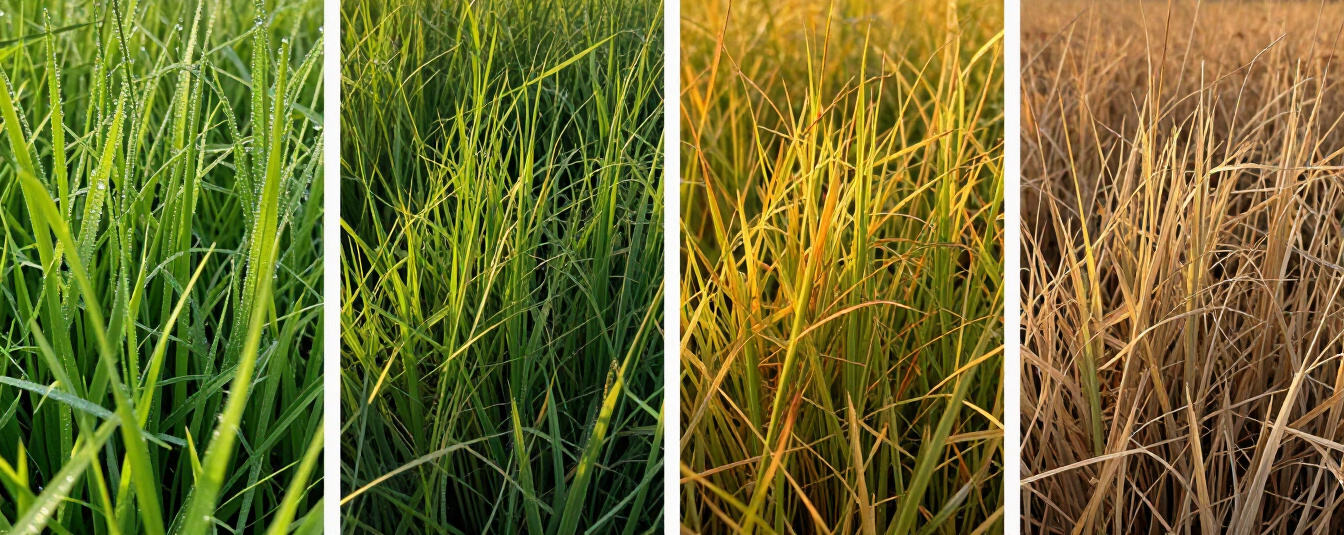
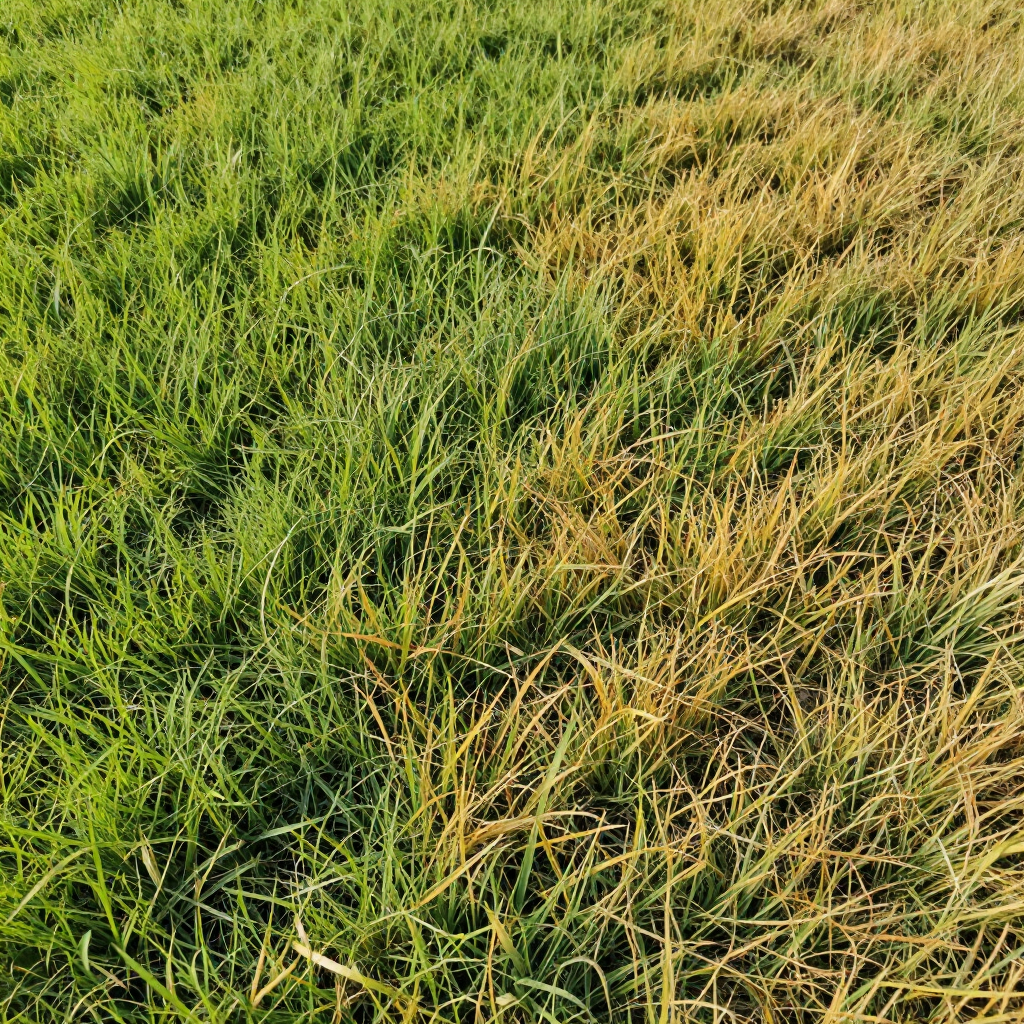
- Grass blades begin folding or curling
- Blue-gray color develops
- Footprints remain visible after walking across the lawn
- Dry, brittle grass texture
If you notice these symptoms, your lawn likely needs water.

Signs You're Overwatering
Overwatering is one of the most common lawn care mistakes in Texas.
Signs of overwatering include:
- Mushy soil
- Standing water
- Excessive weed growth
- Fungus or disease issues
- Shallow root systems
- Yellowing grass
Watering too frequently can be just as harmful as not watering enough.
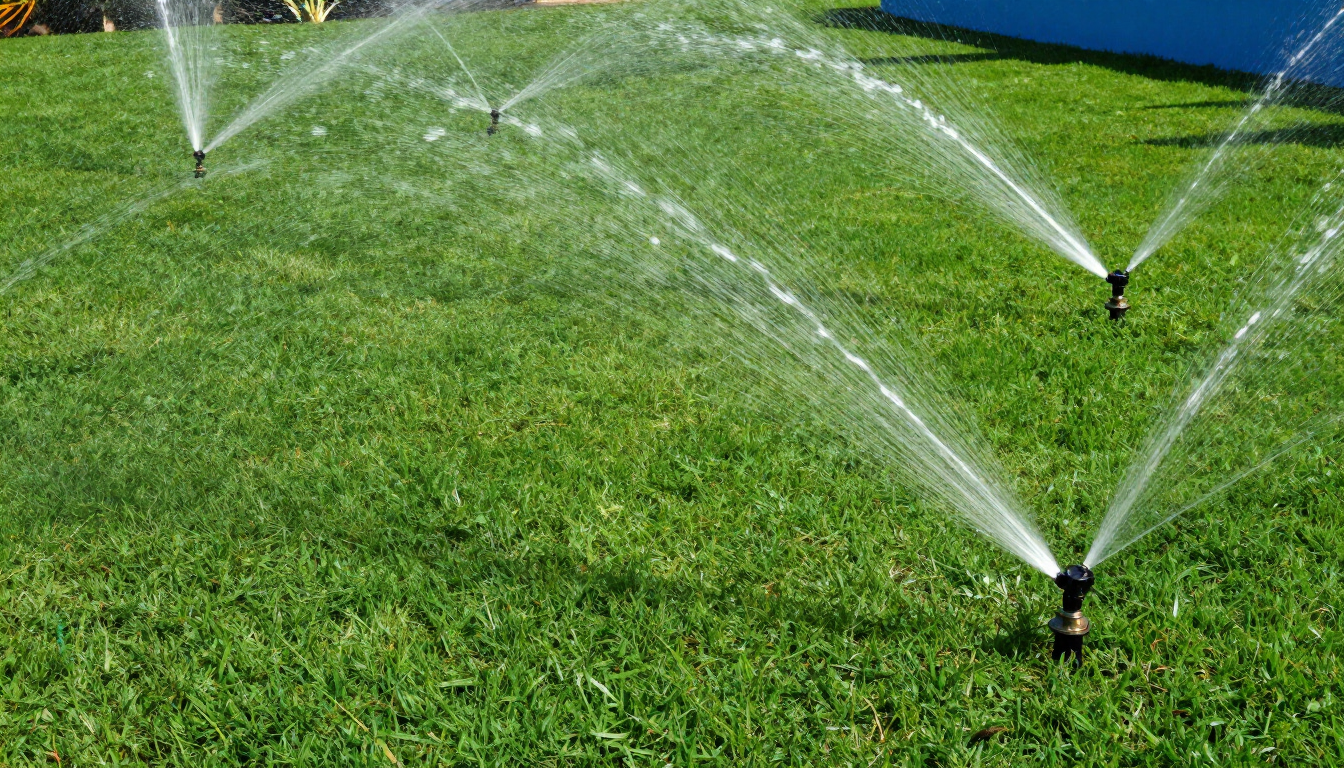
How Long Should Sprinklers Run?
The answer depends on your sprinkler system's output.
A simple way to measure is by placing several empty tuna cans throughout your lawn and running your irrigation system. Measure how long it takes to collect about one inch of water.
This allows you to determine exactly how long your sprinklers need to run rather than guessing.
Watering During Drought Conditions
Drought is a reality in West Texas. During water restrictions or dry periods:
- Prioritize deep watering
- Avoid daily irrigation
- Raise your mowing height slightly
- Leave grass clippings on the lawn
- Fix irrigation leaks promptly
These practices help conserve water while protecting your lawn from stress.
Proper Mowing Helps Reduce Water Needs
Many homeowners don't realize that mowing practices directly affect water consumption.
Grass mowed too short:
- Dries out faster
- Requires more frequent watering
- Develops shallower roots
Maintaining the proper mowing height helps your lawn retain moisture and stay healthier during
hot weather.
Need Help Keeping Your Lawn Healthy?
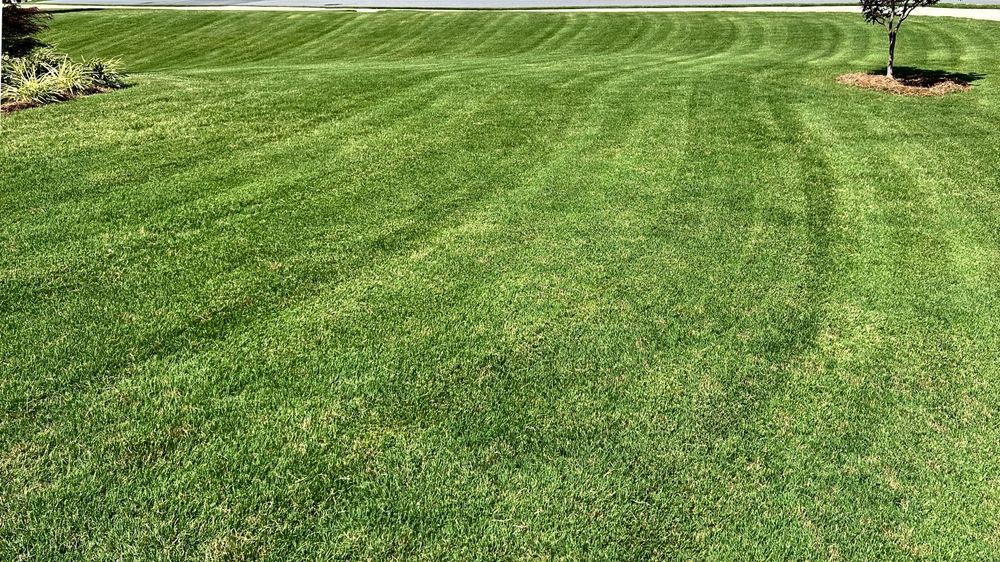
A healthy lawn requires more than just watering. Proper mowing, fertilization, weed control, and irrigation management all work together to create strong, drought-resistant turf.
At Schwartz Clips Landscaping, we help homeowners throughout San Angelo maintain beautiful lawns that thrive in West Texas conditions. Whether you need weekly mowing, landscape maintenance, or help diagnosing lawn problems, we're here to help.
Contact Schwartz Clips Landscaping today for a free estimate and professional lawn care services in San Angelo, Texas.
Is it better to water grass every day in Texas?
No, watering grass every day is generally not recommended for Texas lawns. For healthy Bermuda grass and other warm-season grasses, it's best to water deeply and infrequently rather than using frequent shallow watering. Daily watering encourages shallow root systems, making your lawn more vulnerable to drought, heat stress, weeds, and disease. Most established lawns in San Angelo, Texas, need about 1 to 1.5 inches of water per week, including rainfall, divided into two or three watering sessions during the summer. Deep watering helps roots grow deeper into the soil, creating a healthier, more drought-resistant lawn.
How long should I run my sprinklers in summer?
The ideal sprinkler run time depends on your irrigation system's output, water pressure, and sprinkler head type. Instead of guessing, perform a simple tuna can test by placing several empty cans around your lawn and running your sprinkler system until they collect about 1 inch of water. This will tell you exactly how long your sprinklers should run to provide the recommended 1 to 1.5 inches of weekly water for Bermuda grass in Texas. During hot West Texas summers, most lawns only need watering two to three times per week, provided each watering is deep enough to reach the root zone.
What is the best time to water a lawn in Texas?
The best time to water a lawn in Texas is early in the morning between 4:00 AM and 9:00 AM. Watering during these hours allows moisture to soak deep into the soil before the day's heat causes excessive evaporation. Morning watering also gives grass blades time to dry, reducing the risk of fungal diseases that can occur with evening irrigation. Avoid watering during the hottest part of the day, when much of the water is lost to evaporation, and try not to water at night unless absolutely necessary.
Can you overwater Bermuda grass?
Yes, Bermuda grass can absolutely be overwatered. While Bermuda is one of the most drought-tolerant lawn grasses grown in Texas, excessive watering can cause serious problems. Signs of overwatering include mushy soil, standing water, yellowing grass, fungus, shallow roots, and increased weed growth. Overwatering weakens the lawn and reduces its ability to withstand the extreme heat common throughout San Angelo and West Texas. Watering deeply but only when needed helps Bermuda grass develop a strong root system, improving drought tolerance and overall lawn health.