Best Fertilizer Schedule for Texas Lawns

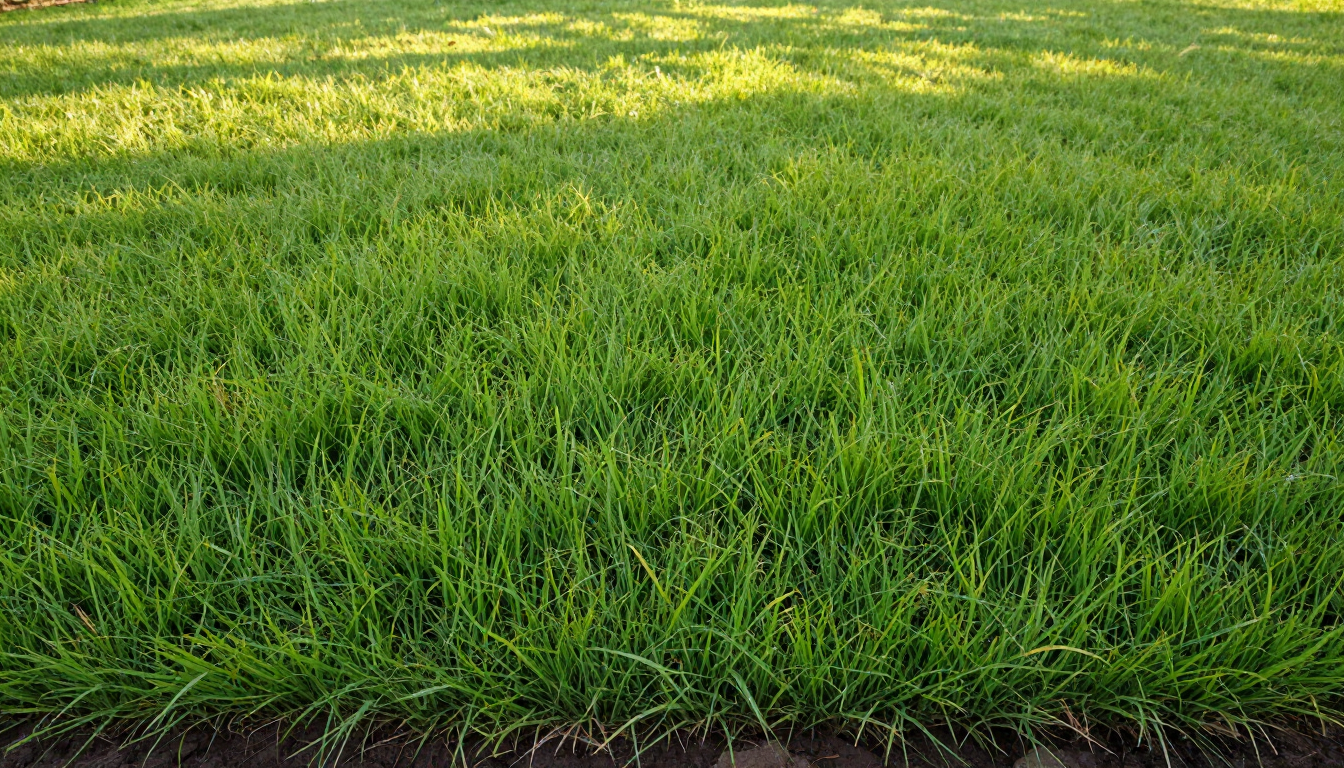
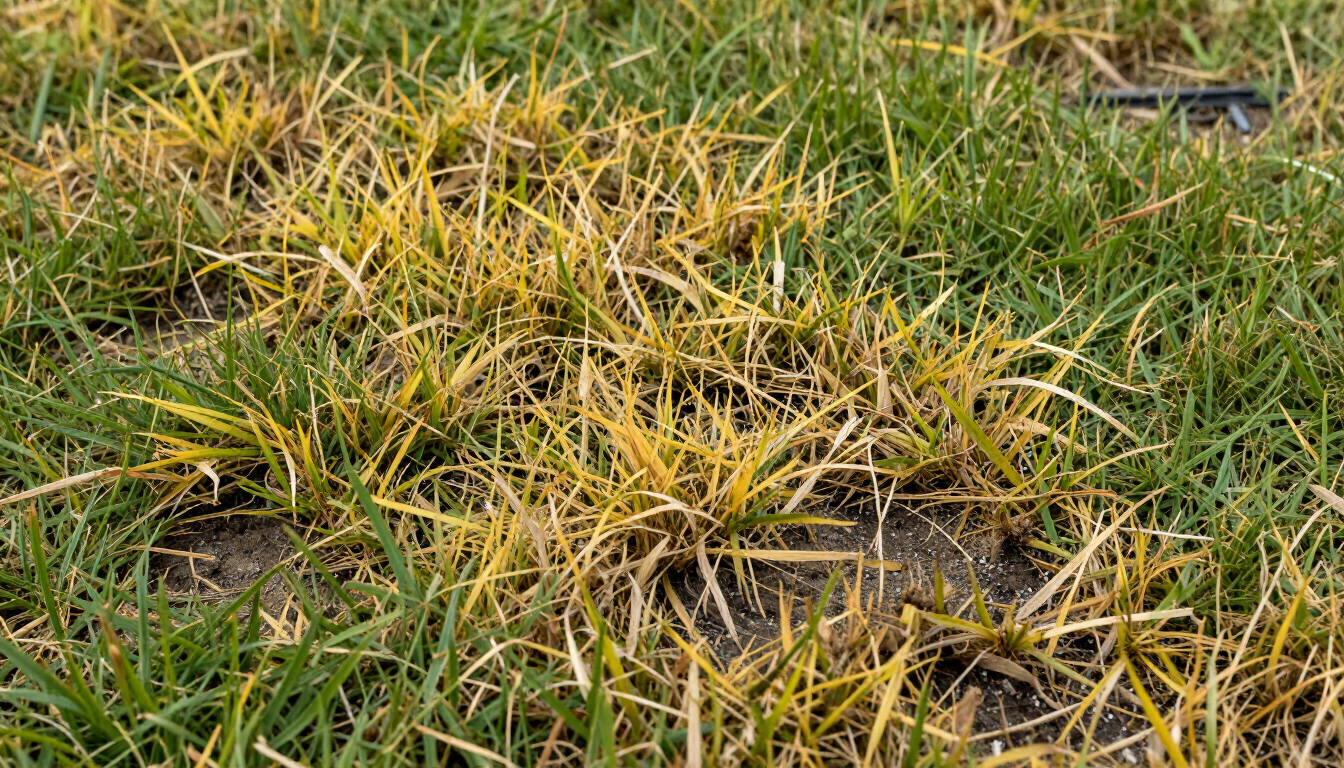
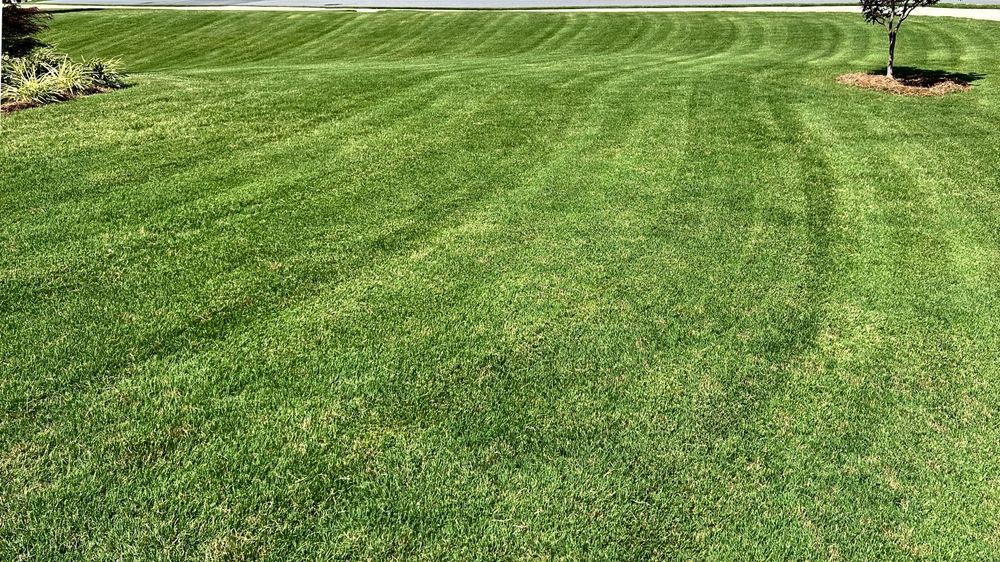
A healthy, green lawn doesn't happen by accident. Proper fertilization is one of the most important factors in maintaining thick, healthy grass that can withstand the heat, drought, and weed pressure common throughout Texas.


One of the biggest mistakes homeowners make is applying fertilizer at the wrong time of year. Too much fertilizer, too little fertilizer, or poor timing can all lead to disappointing results.


If you have Bermuda grass, which is the most common lawn type in San Angelo, this guide will help you understand the best fertilizer schedule for keeping your lawn healthy year-round.

Why Fertilizing Matters

Grass requires nutrients to grow, recover from stress, and maintain its green color. The three primary nutrients found in lawn fertilizers are:

  • Nitrogen (N) – promotes green growth
  • Phosphorus (P) – supports root development
  • Potassium (K) – improves drought and stress tolerance


When applied correctly, fertilizer helps create a lawn that is:

  • Thicker and greener
  • More drought resistant
  • Better able to crowd out weeds
  • More resilient to heat and foot traffic

Early Spring (March–April)

As temperatures begin warming and Bermuda grass starts coming out of dormancy, homeowners become eager to fertilize.


However, timing is important.


What to Do

  • Wait until the lawn is actively growing and at least 50% green.
  • Apply a balanced fertilizer or one designed specifically for Bermuda grass.


Why It Matters

Applying fertilizer too early can encourage weak growth and may waste nutrients while the grass is still dormant.

Late Spring (May)

This is often the most important fertilizer application of the year.


What to Do

  • Apply a nitrogen-rich fertilizer.
  • Water thoroughly after application.


Benefits

  • Encourages dense turf growth.
  • Helps the lawn fill in thin areas.
  • Increases resistance to weeds.

Early Summer (June)

As temperatures rise, Bermuda grass enters its peak growing season.


What to Do

  • Apply a second fertilizer application if needed.
  • Follow label directions carefully.


Benefits

  • Maintains strong growth.
  • Supports healthy color throughout summer

Mid-Summer (July–August)

Texas summers can be extremely stressful on lawns.


What to Do

  • Apply fertilizer only if the lawn is healthy and actively growing.
  • Avoid excessive nitrogen during periods of extreme heat.


Benefits

  • Helps maintain color and vigor.
  • Supports recovery from drought stress.


Important Tip

Never fertilize a lawn that is severely drought-stressed without correcting irrigation issues first

Early Fall (September)

Fall fertilization helps prepare lawns for cooler weather.


What to Do

  • Apply a fertilizer containing potassium.
  • Continue normal mowing practices.


Benefits

  • Strengthens roots.
  • Improves winter hardiness.
  • Supports recovery from summer stress.

Winter (October–February)

Bermuda grass enters dormancy during colder months.


What to Do


Benefits

  • Prevents unnecessary growth.
  • Helps prepare the lawn for spring green-up.

Common Fertilizer Mistakes

Many lawn problems can be traced back to improper fertilization.


Avoid these common mistakes:


Fertilizing Too Early

Applying fertilizer before Bermuda grass is actively growing often wastes nutrients.


Overfertilizing

Too much fertilizer can burn grass and damage root systems.


Uneven Application

Poor spreader technique can create streaks and uneven color.


Ignoring Soil Conditions

Every lawn is different. Soil testing can help identify specific nutrient deficiencies.

Fertilizer and Weed Control Work Together

A thick, healthy lawn is one of the best weed prevention tools available.


Lawns that receive proper fertilization are better able to compete against common San Angelo weeds such as:


  • Crabgrass
  • Dallisgrass
  • Clover
  • Spurge
  • Sandburs (Sticker Weeds)


Healthy turf leaves fewer opportunities for weeds to establish

How Often Should You Fertilize Bermuda Grass?

For most residential Bermuda lawns in San Angelo, three to four fertilizer applications per year are sufficient.


Typical schedule:

  • Spring Green-Up (March–April)
  • Late Spring (May)
  • Early Summer (June)
  • Early Fall (September)


The exact timing may vary depending on weather conditions and lawn health

Need Help Maintaining a Healthy Lawn?

Proper fertilization is only one part of a successful lawn care program. Mowing practices, irrigation, weed control, and seasonal maintenance all play important roles in keeping your lawn looking its best.


At Schwartz Clips Landscaping, we help homeowners throughout San Angelo maintain healthy, attractive lawns that thrive in West Texas conditions. Whether you need routine lawn maintenance, landscape improvements, or help diagnosing lawn problems, we're here to help.


Contact Schwartz Clips Landscaping today for a free estimate and professional lawn care services in San Angelo, Texas.

July 6, 2026
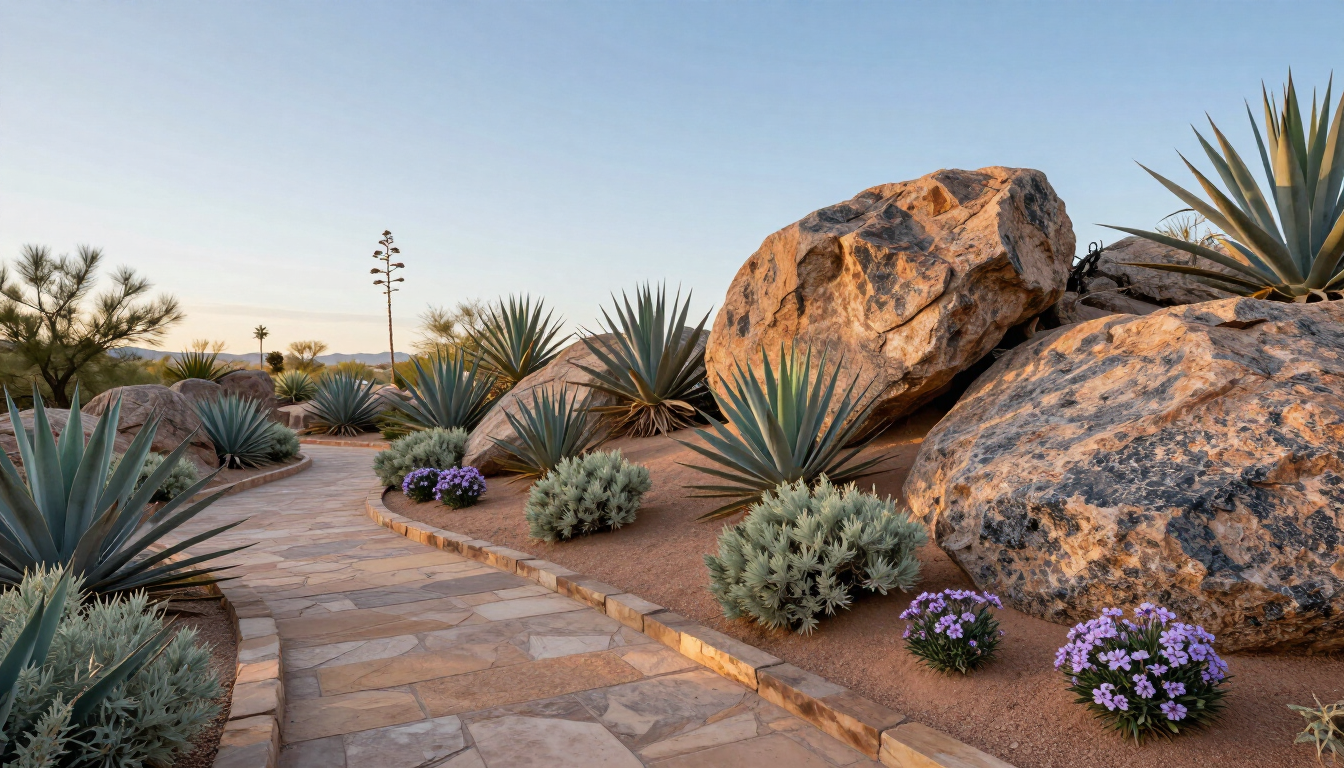
If you're tired of fighting the West Texas climate to maintain a traditional lawn, xeriscaping may be the perfect solution. In San Angelo and throughout West Texas, homeowners face unique challenges including drought, water restrictions, intense summer heat, and rising utility costs. Xeriscaping is a landscaping method designed to reduce water usage while creating a beautiful, low-maintenance outdoor space. Contrary to popular belief, xeriscaping doesn't mean filling your yard with rocks and cactus. Modern xeriscape designs can be colorful, attractive, and highly functional while using significantly less water than traditional landscapes .
July 6, 2026
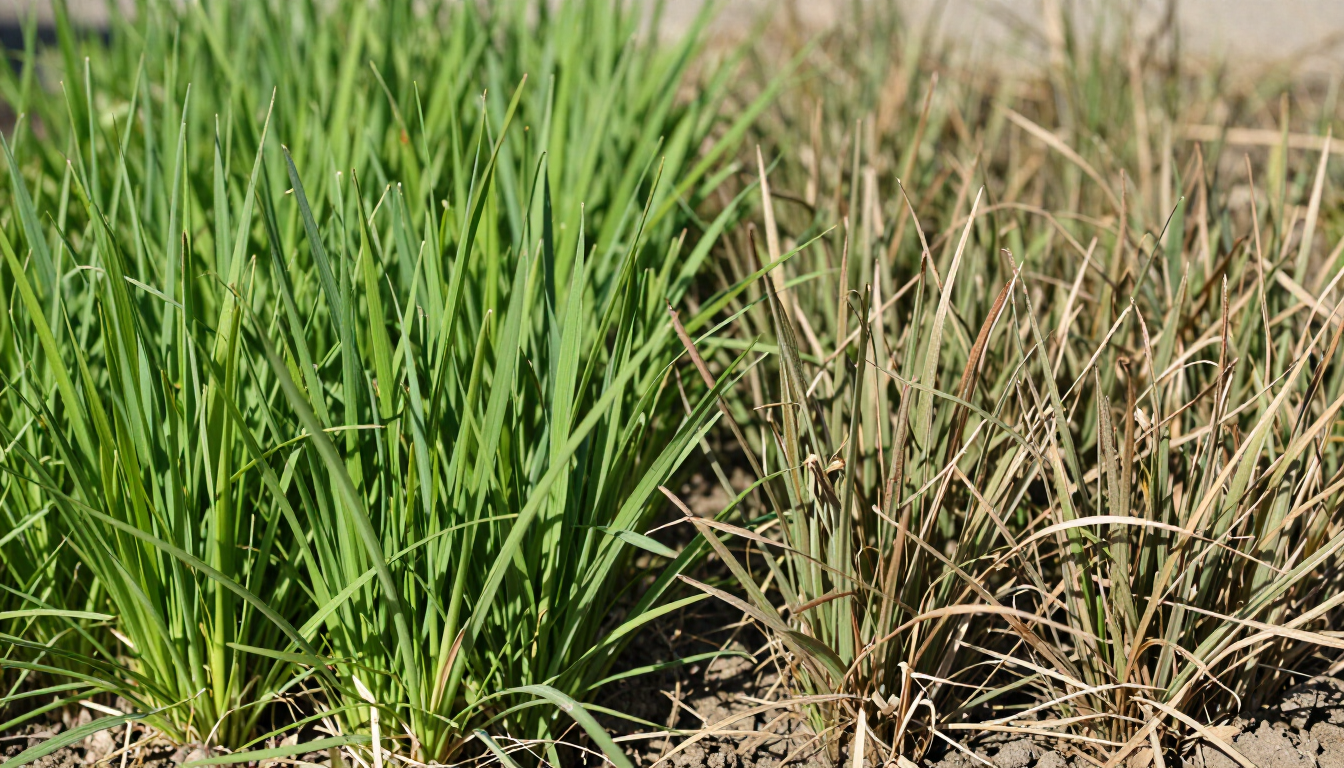
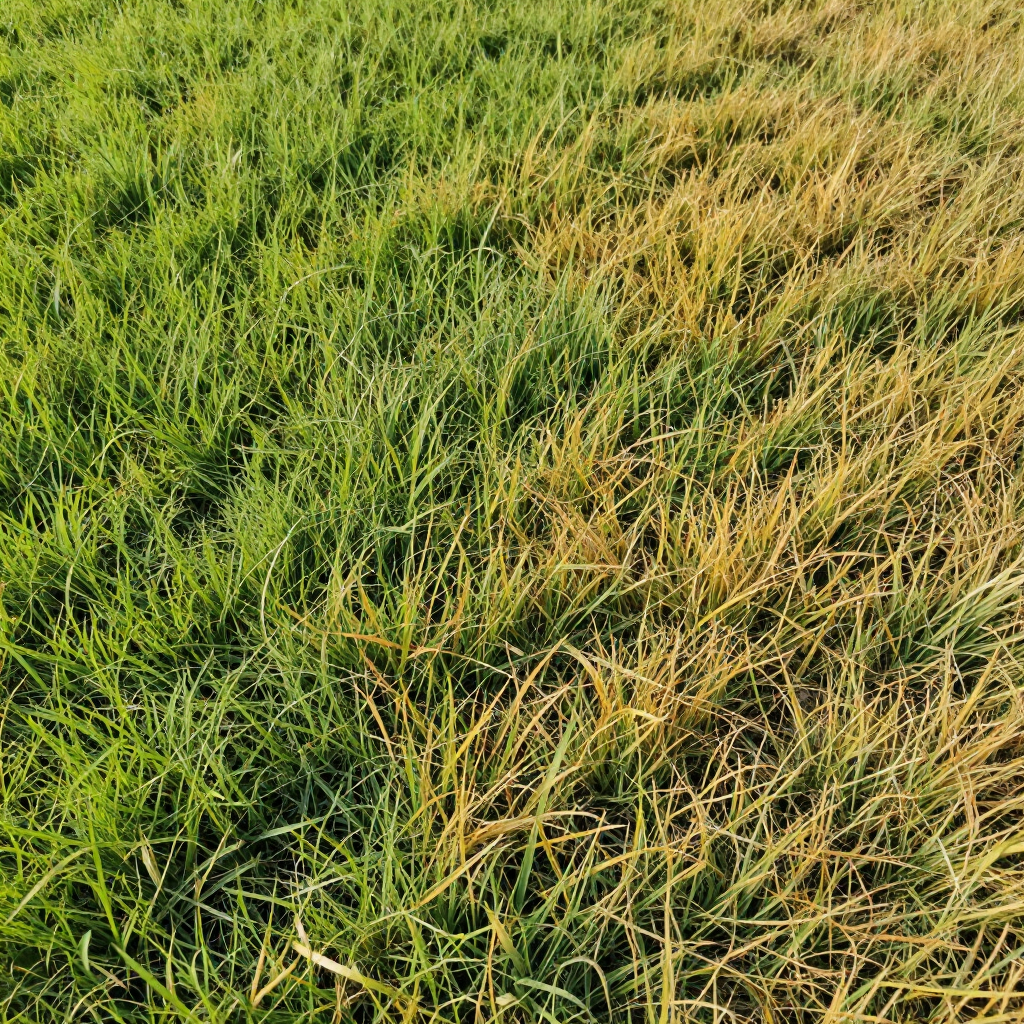
If you've noticed brown patches appearing in your lawn, you're not alone. One of the most common questions homeowners ask is, "Why is my grass turning brown?" In San Angelo and throughout West Texas, several factors can cause grass to lose its green color, especially during periods of extreme heat and drought. The good news is that brown grass doesn't always mean dead grass. In many cases, the problem can be corrected once the cause is identified.
July 6, 2026
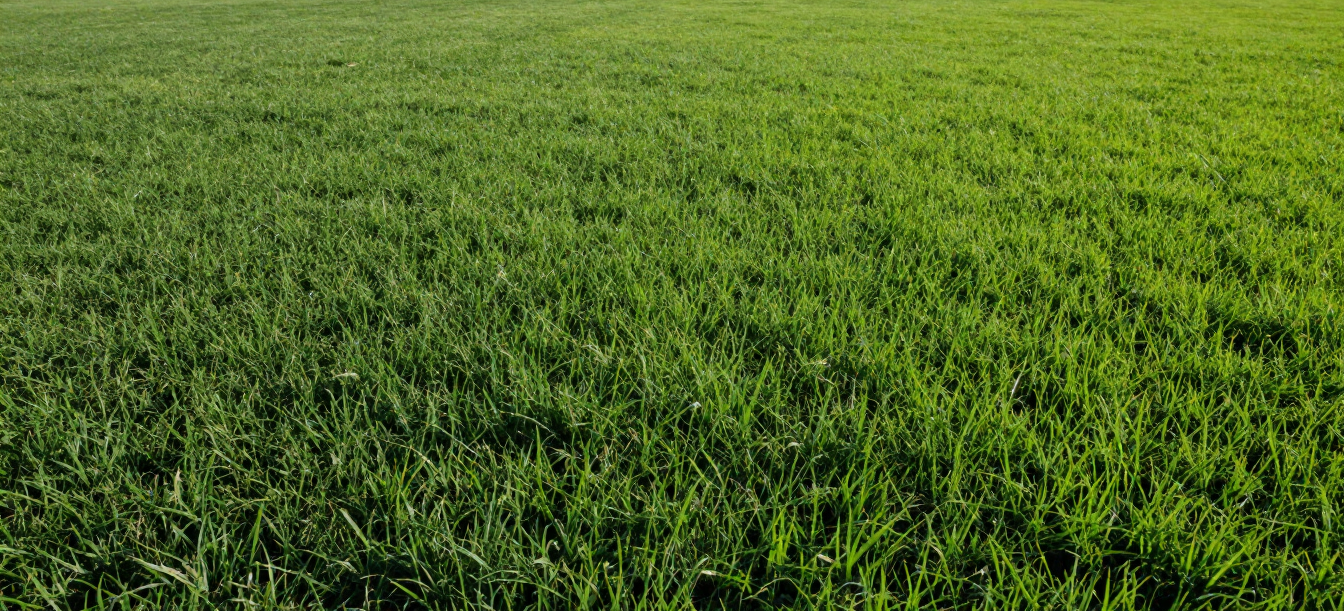
One of the most common questions homeowners ask is, "How often should I water my lawn?" The answer depends on several factors, including grass type, soil conditions, weather, and time of year. In San Angelo and throughout West Texas, watering correctly is essential for maintaining a healthy lawn while avoiding unnecessary water waste. Many homeowners make the mistake of watering too often. Frequent shallow watering encourages weak root systems and can make your lawn more susceptible to drought stress, disease, and weeds.

July 6, 2026
A healthy lawn is one of the best ways to improve your home's curb appeal, but weeds can quickly take over if left unchecked. In San Angelo and throughout West Texas, weeds compete with your grass for water, nutrients, and sunlight. Understanding what weeds you're dealing with is the first step toward keeping your lawn healthy and attractive. Here are some of the most common lawn weeds we encounter in the San Angelo area and what you can do about them.
July 6, 2026
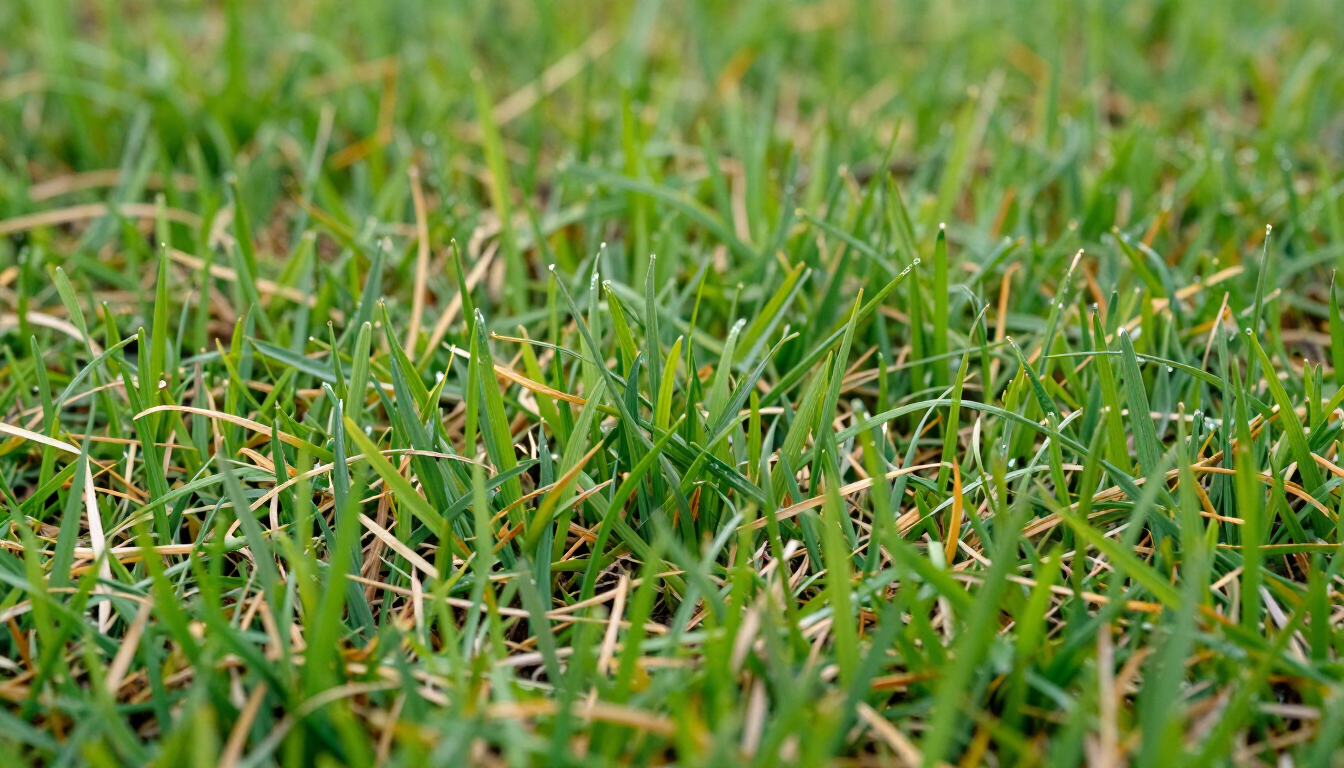
What Causes Bare Spots?