
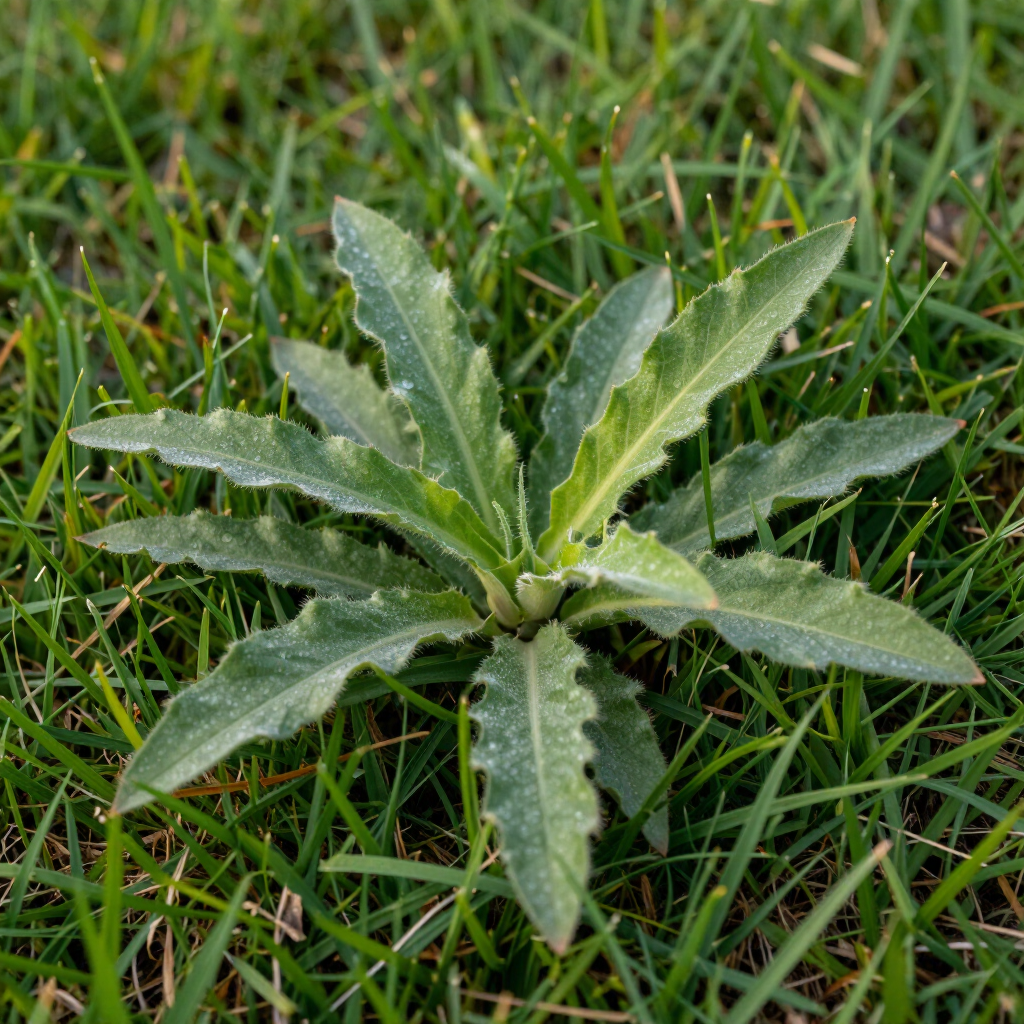
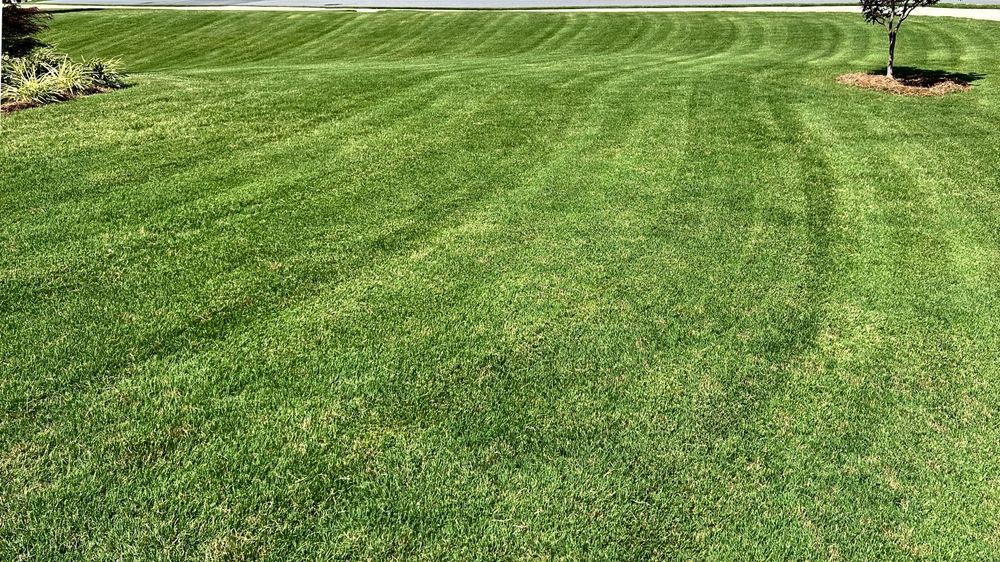
Common Lawn Weeds in San Angelo, Texas (And How to Control Them)

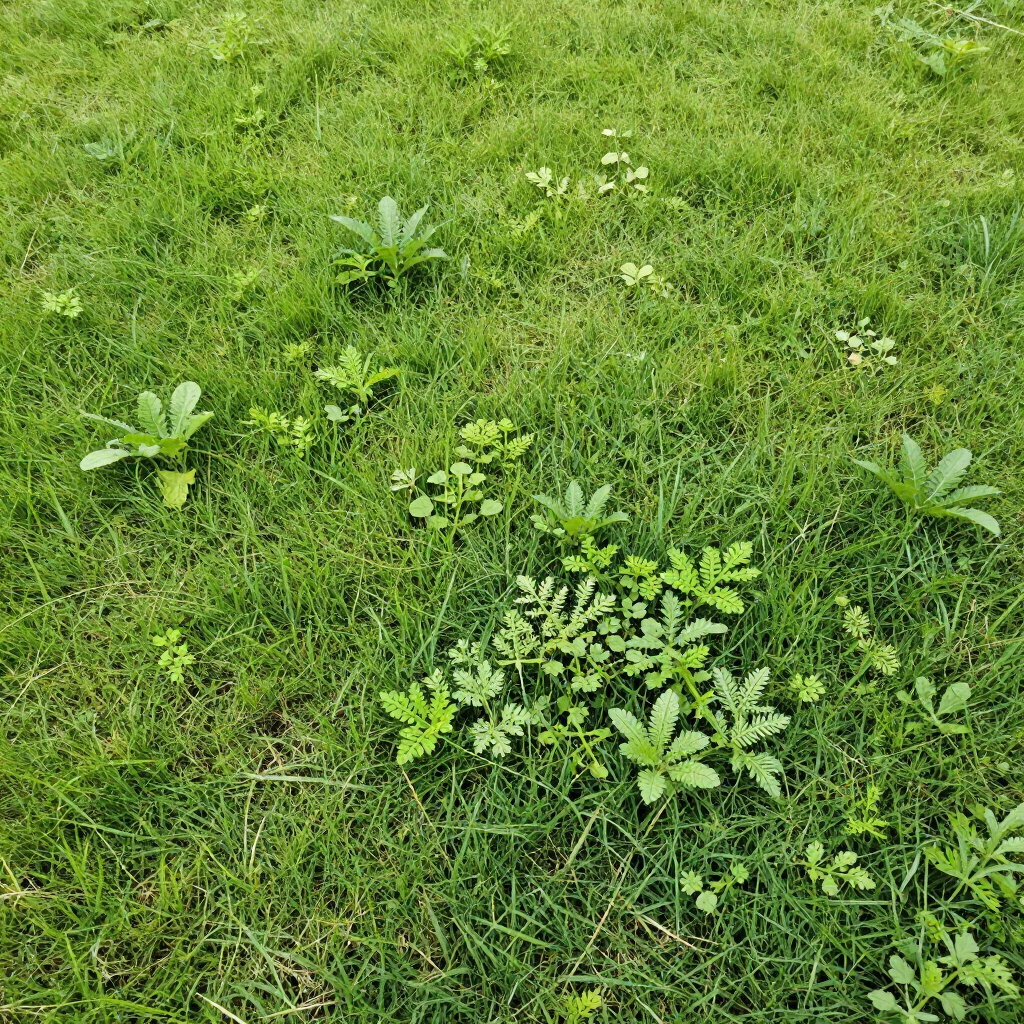
A healthy lawn is one of the best ways to improve your home's curb appeal, but weeds can quickly take over if left unchecked. In San Angelo and throughout West Texas, weeds compete with your grass for water, nutrients, and sunlight. Understanding what weeds you're dealing with is the first step toward keeping your lawn healthy and attractive.


Here are some of the most common lawn weeds we encounter in the San Angelo area and what you can do about them.

1. Crabgrass

Crabgrass is one of the most common grassy weeds in Texas lawns. It typically appears in thin areas of the lawn where healthy turf is struggling.


How to Identify It

  • Light green color
  • Grows in clumps
  • Spreads outward from a central point
  • Produces seed heads during summer


How to Control It

The best defense against crabgrass is a thick, healthy lawn. Applying a pre-emergent herbicide in early spring can prevent crabgrass seeds from germinating.

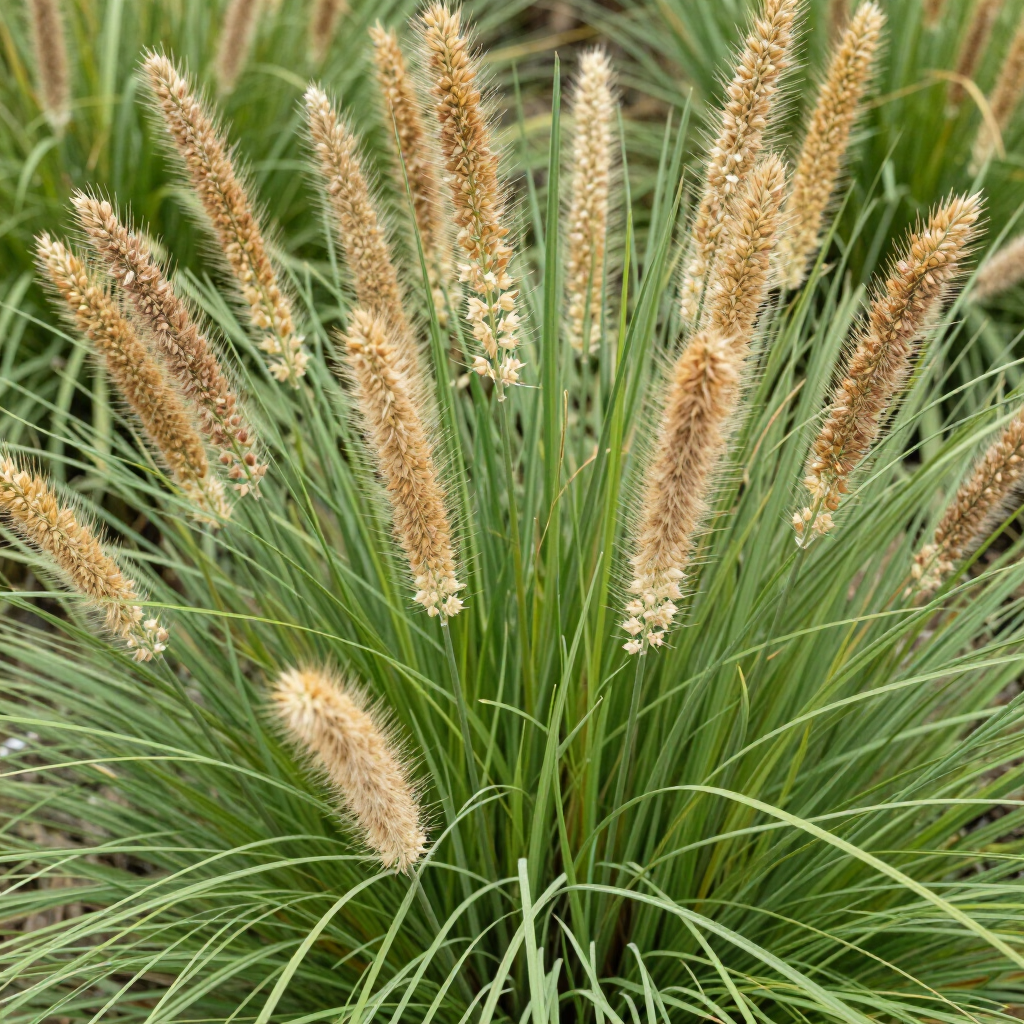
2. Dallisgrass

Dallisgrass is a perennial grassy weed commonly found in Bermuda lawns throughout West Texas.


How to Identify It

  • Coarse, wide blades
  • Grows in circular clumps
  • Produces tall seed stalks
  • Darker green than surrounding turf


How to Control It

Dallisgrass can be difficult to eliminate. Spot treatments and maintaining a dense Bermuda lawn are often the most effective strategies.

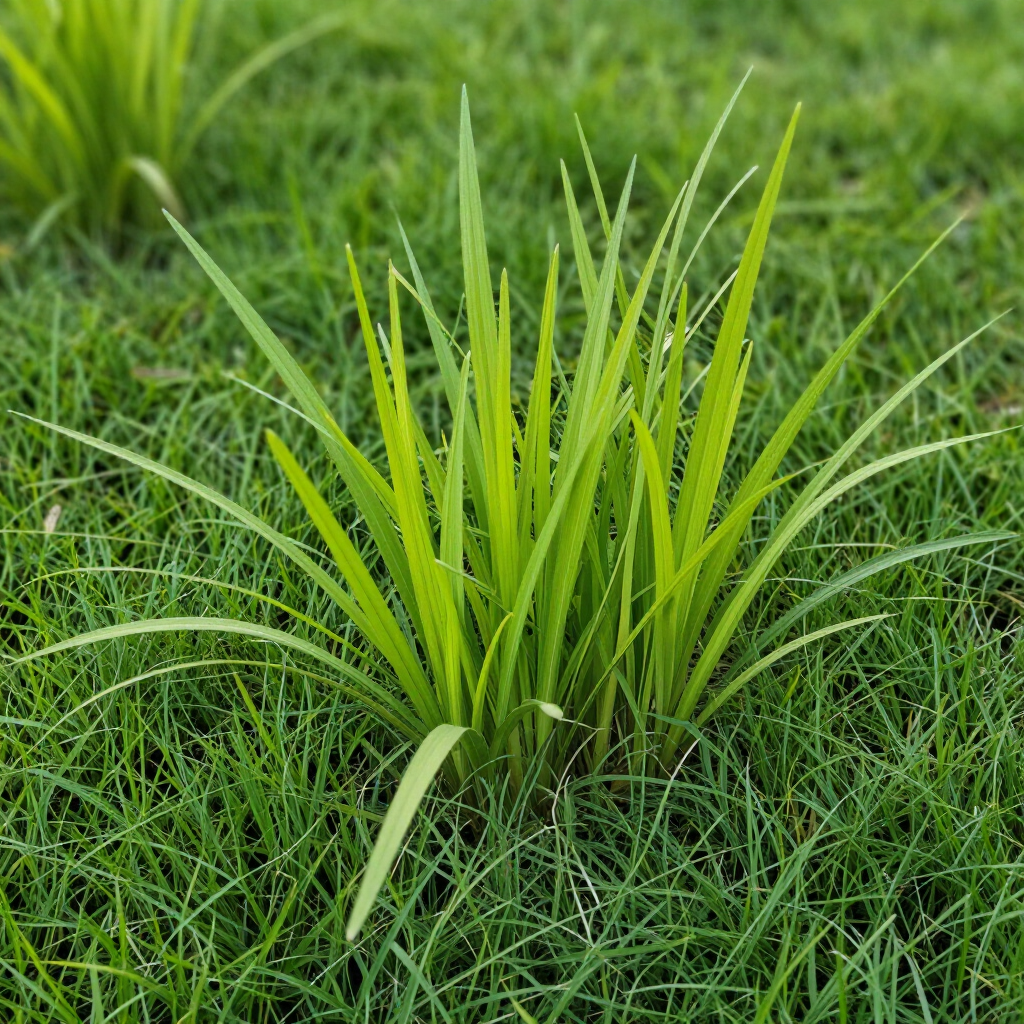
3. Nutsedge

Many homeowners mistake nutsedge for grass because it grows quickly and remains bright green even during hot weather.


How to Identify It

  • Bright green color
  • Grows faster than lawn grass
  • Triangular stems
  • Appears in wet areas


How to Control It

Nutsedge requires specific herbicides designed for sedges. Improving drainage can also help reduce future infestations.

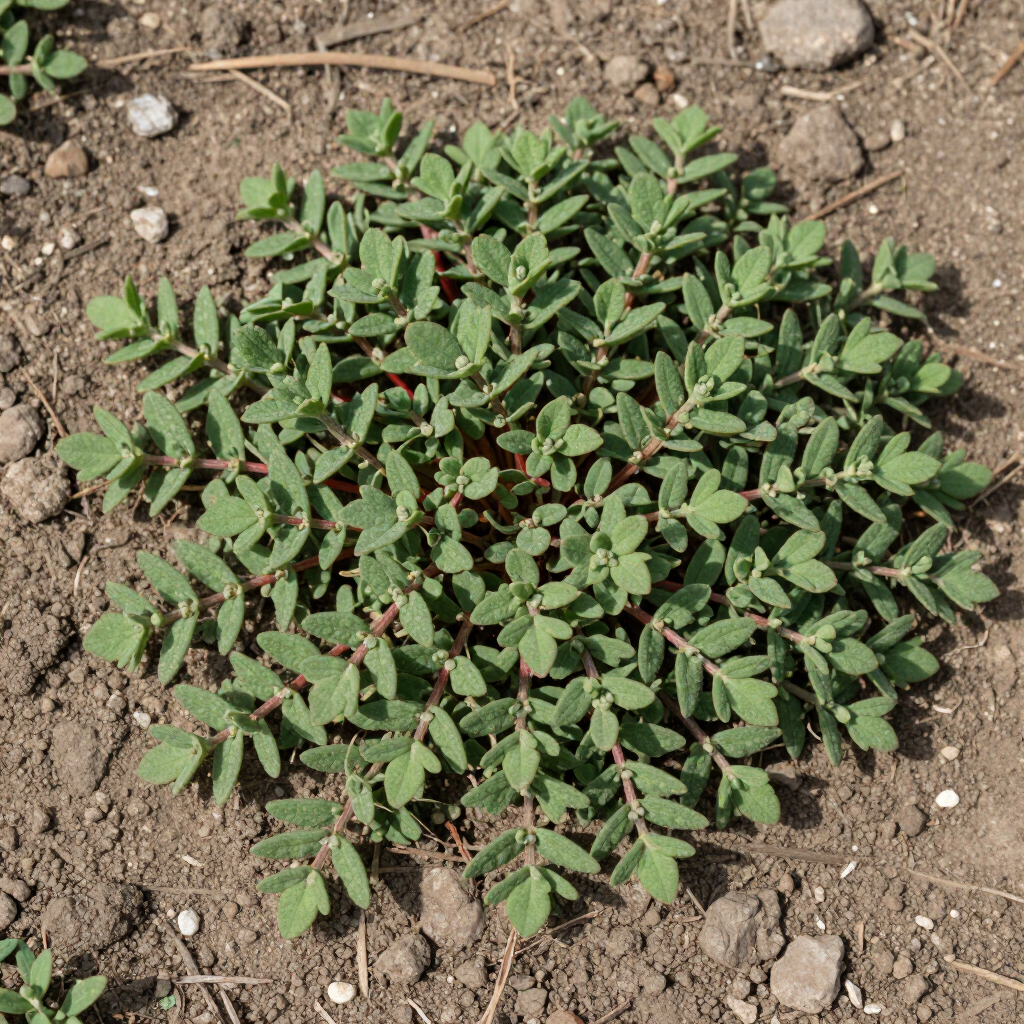
4. Spurge

Spurge is a common broadleaf weed that thrives in the hot, dry conditions of San Angelo.


How to Identify It

  • Low-growing mat-like growth
  • Small leaves with reddish stems
  • Produces a milky sap when broken


How to Control It

Pre-emergent herbicides are effective for prevention, while broadleaf weed killers can help control existing plants.

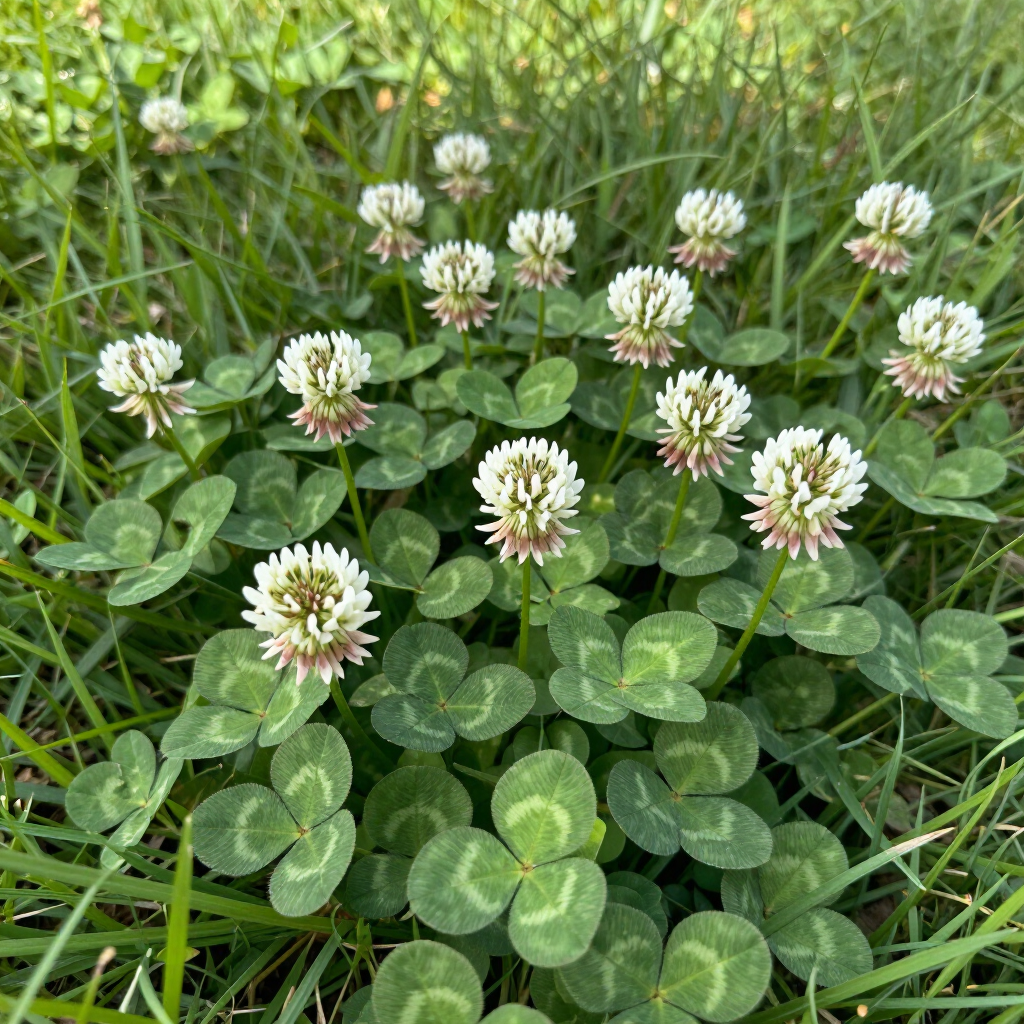
5. Clover

Although some people don't mind clover, many homeowners prefer a uniform Bermuda lawn.


How to Identify It

  • Three-leaf clusters
  • Small white flowers
  • Grows in patches


How to Control It

Proper fertilization often reduces clover populations because clover tends to thrive in nutrient-deficient soils.

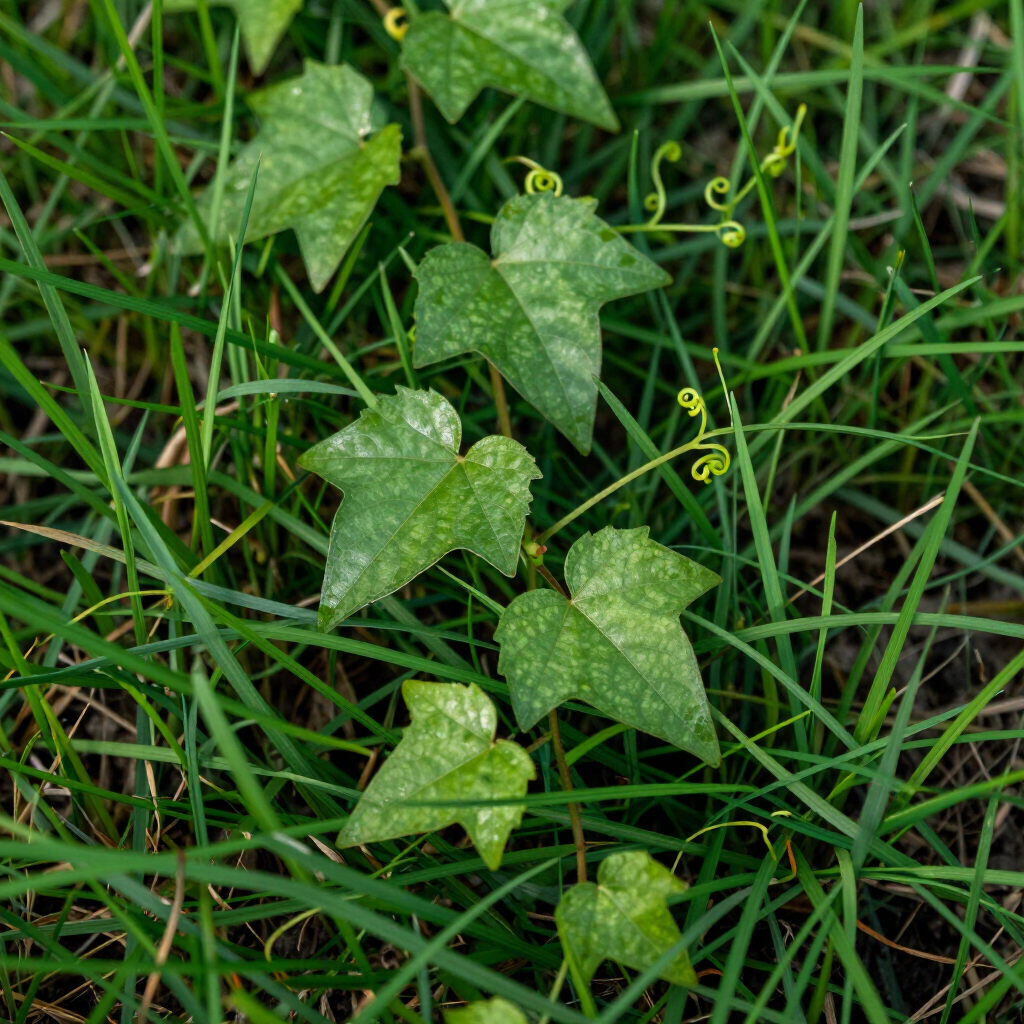
6. Bindweed

Bindweed is a persistent vine that can quickly spread through lawns and landscape beds.


How to Identify It

  • Vine-like growth habit
  • Arrow-shaped leaves
  • White or pink trumpet-shaped flowers


How to Control It

Repeated treatments are often necessary due to its extensive root system.

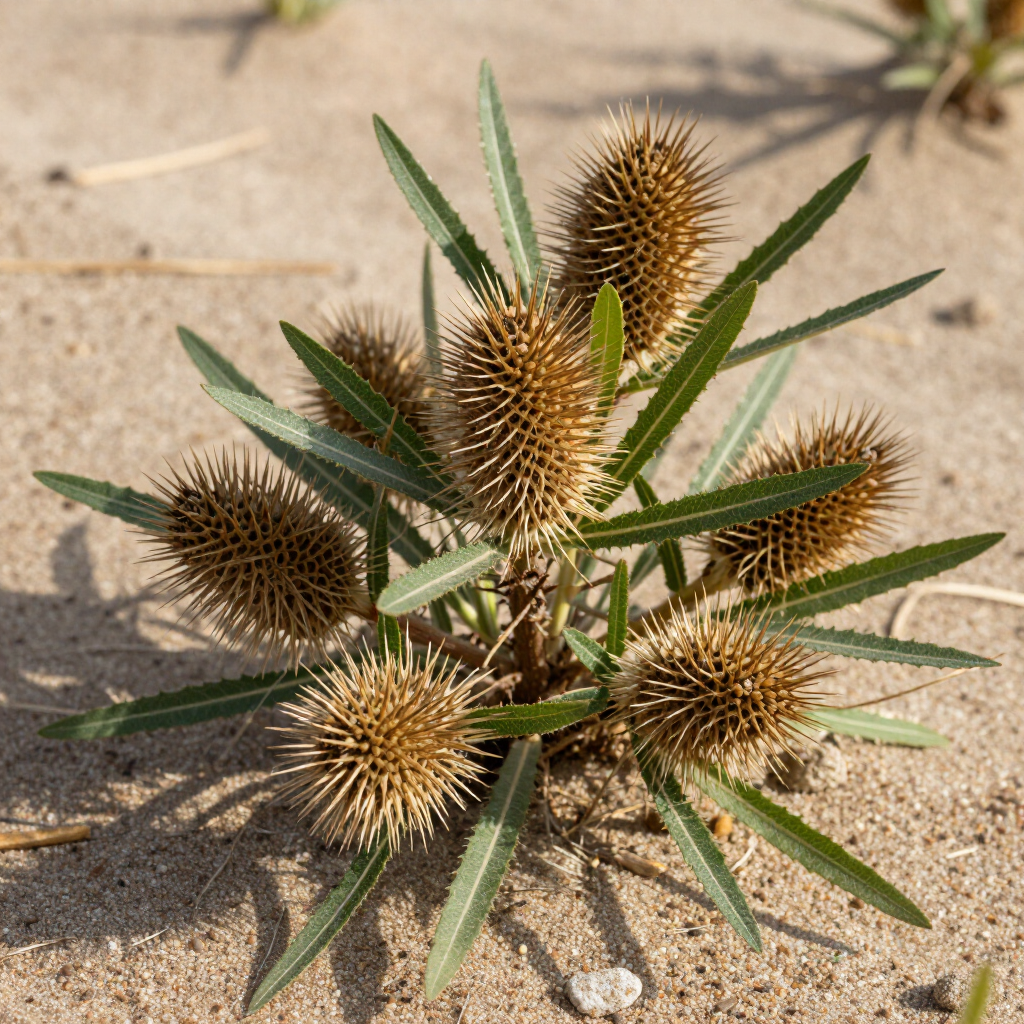
7. Sandburs (Sticker Weeds)

Few weeds are more frustrating for Texas homeowners than sandburs.


How to Identify It

  • Grass-like appearance
  • Produces sharp, painful seed burs
  • Common in thin or stressed lawns


How to Control It

Pre-emergent herbicides are extremely important for sandbur prevention. A thick, healthy lawn is your best long-term defense.

Why Weeds Keep Coming Back

Many weed problems are symptoms of an unhealthy lawn. Common causes include:


  • Mowing too short
  • Poor irrigation practices
  • Soil compaction
  • Thin turf coverage
  • Lack of fertilization
  • Drought stress


When grass is healthy and dense, weeds have fewer opportunities to establish themselves.

The Best Weed Control Strategy for San Angelo Lawns

The most effective weed control program combines:


  • Proper mowing height
  • Consistent watering practices
  • Seasonal fertilization
  • Pre-emergent weed control
  • Healthy turf density


Rather than simply killing weeds, the goal should be creating a lawn that naturally crowds them

out.

Need Help Controlling Weeds?

At Schwartz Clips Landscaping, we help homeowners throughout San Angelo identify lawn problems and develop practical solutions for healthier, more attractive lawns. Whether you're dealing with crabgrass, sticker weeds, dallisgrass, or other common lawn invaders, we can help you create a lawn that looks its best year-round.


Contact Schwartz Clips Landscaping today for a free estimate on lawn maintenance, weed control, landscape improvements, and lawn care services.

July 6, 2026
If you're tired of fighting the West Texas climate to maintain a traditional lawn, xeriscaping may be the perfect solution. In San Angelo and throughout West Texas, homeowners face unique challenges including drought, water restrictions, intense summer heat, and rising utility costs. Xeriscaping is a landscaping method designed to reduce water usage while creating a beautiful, low-maintenance outdoor space. Contrary to popular belief, xeriscaping doesn't mean filling your yard with rocks and cactus. Modern xeriscape designs can be colorful, attractive, and highly functional while using significantly less water than traditional landscapes .
July 6, 2026
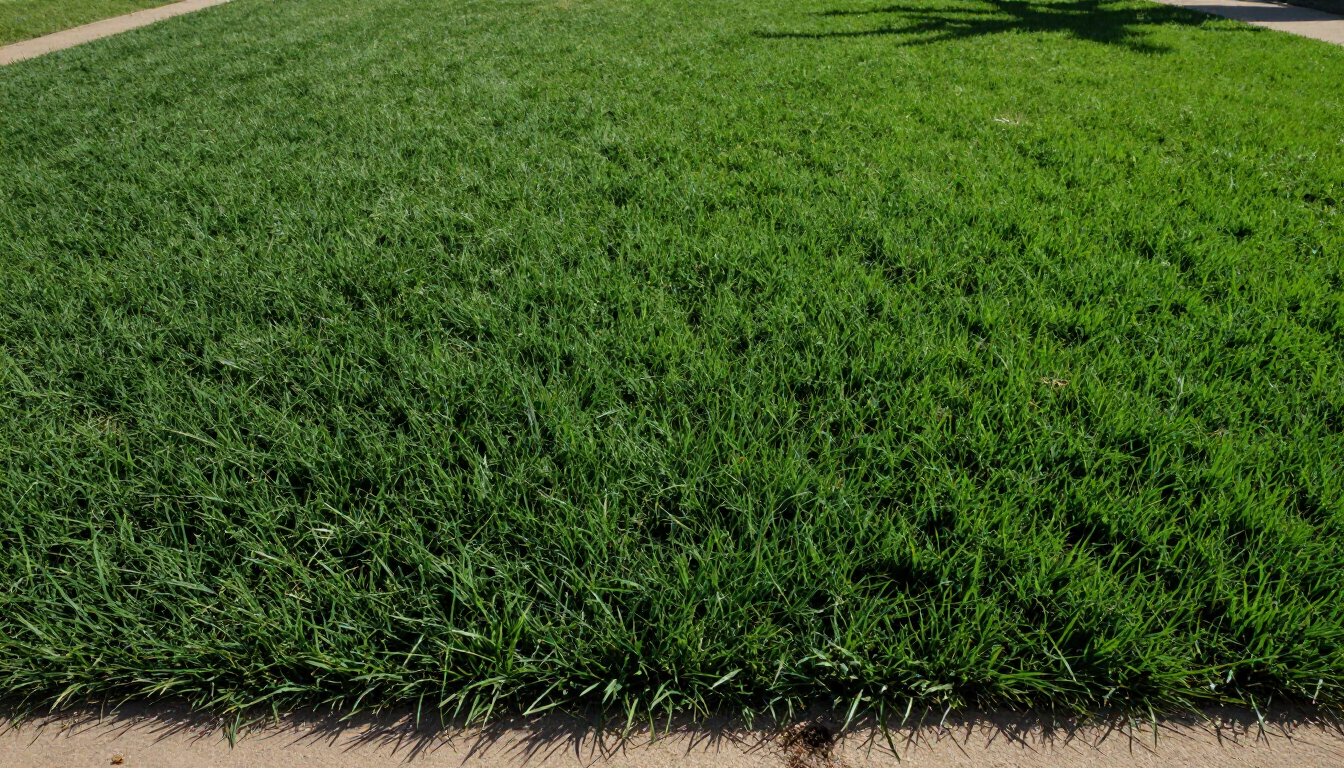
A healthy, green lawn doesn't happen by accident. Proper fertilization is one of the most important factors in maintaining thick, healthy grass that can withstand the heat, drought, and weed pressure common throughout Texas. One of the biggest mistakes homeowners make is applying fertilizer at the wrong time of year. Too much fertilizer, too little fertilizer, or poor timing can all lead to disappointing results. If you have Bermuda grass, which is the most common lawn type in San Angelo, this guide will help you understand the best fertilizer schedule for keeping your lawn healthy year-round .
July 6, 2026
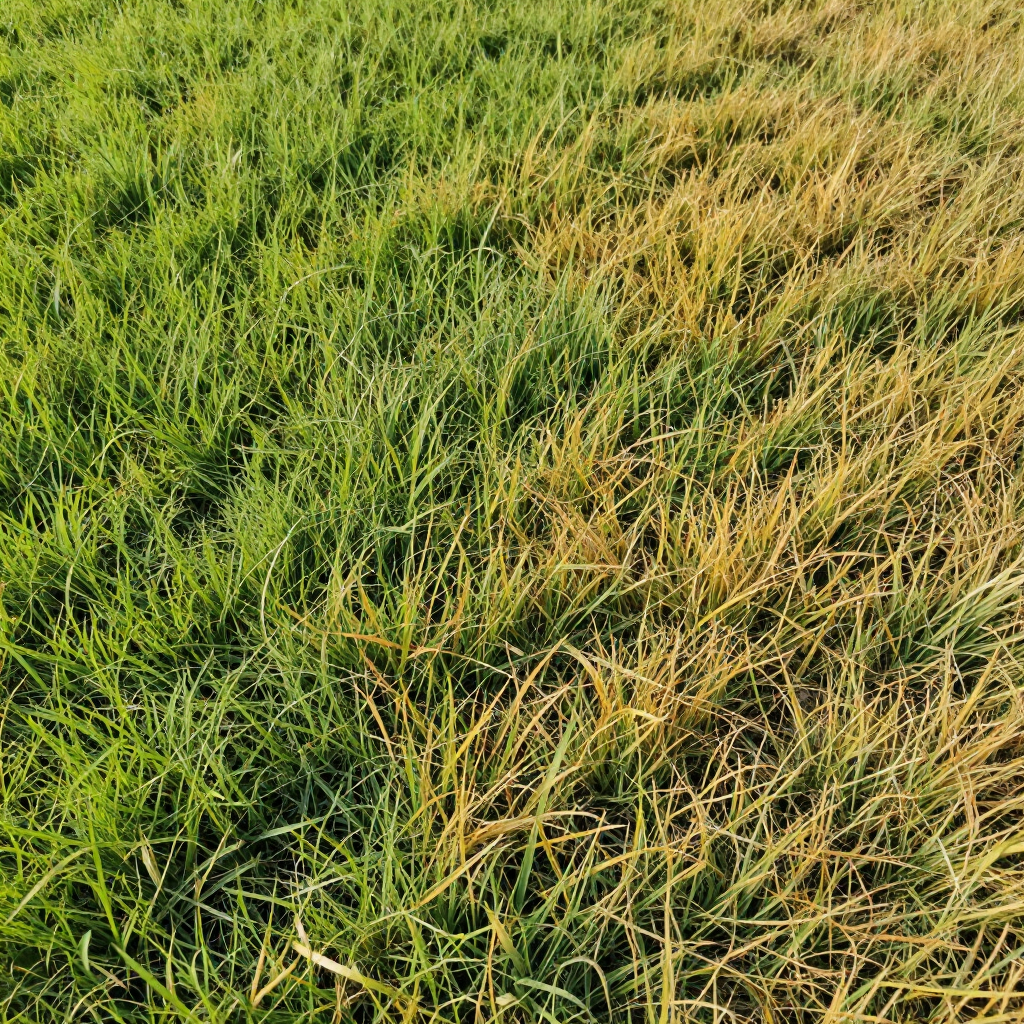
If you've noticed brown patches appearing in your lawn, you're not alone. One of the most common questions homeowners ask is, "Why is my grass turning brown?" In San Angelo and throughout West Texas, several factors can cause grass to lose its green color, especially during periods of extreme heat and drought. The good news is that brown grass doesn't always mean dead grass. In many cases, the problem can be corrected once the cause is identified.
July 6, 2026
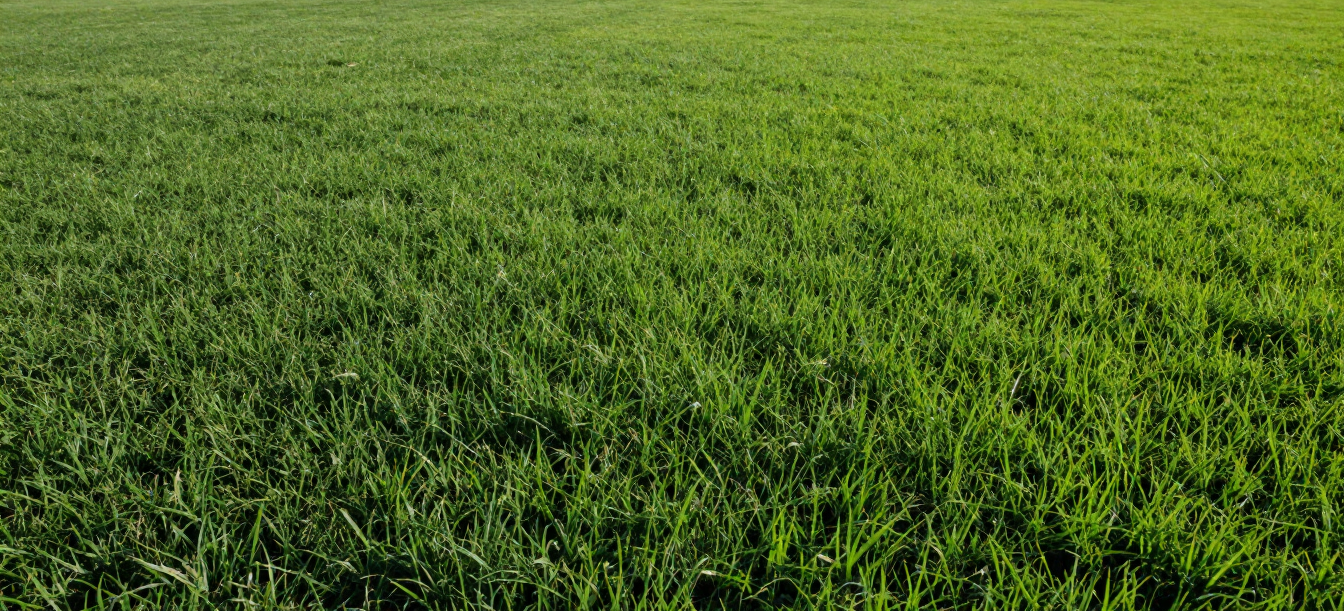
One of the most common questions homeowners ask is, "How often should I water my lawn?" The answer depends on several factors, including grass type, soil conditions, weather, and time of year. In San Angelo and throughout West Texas, watering correctly is essential for maintaining a healthy lawn while avoiding unnecessary water waste. Many homeowners make the mistake of watering too often. Frequent shallow watering encourages weak root systems and can make your lawn more susceptible to drought stress, disease, and weeds.
July 6, 2026
What Causes Bare Spots?